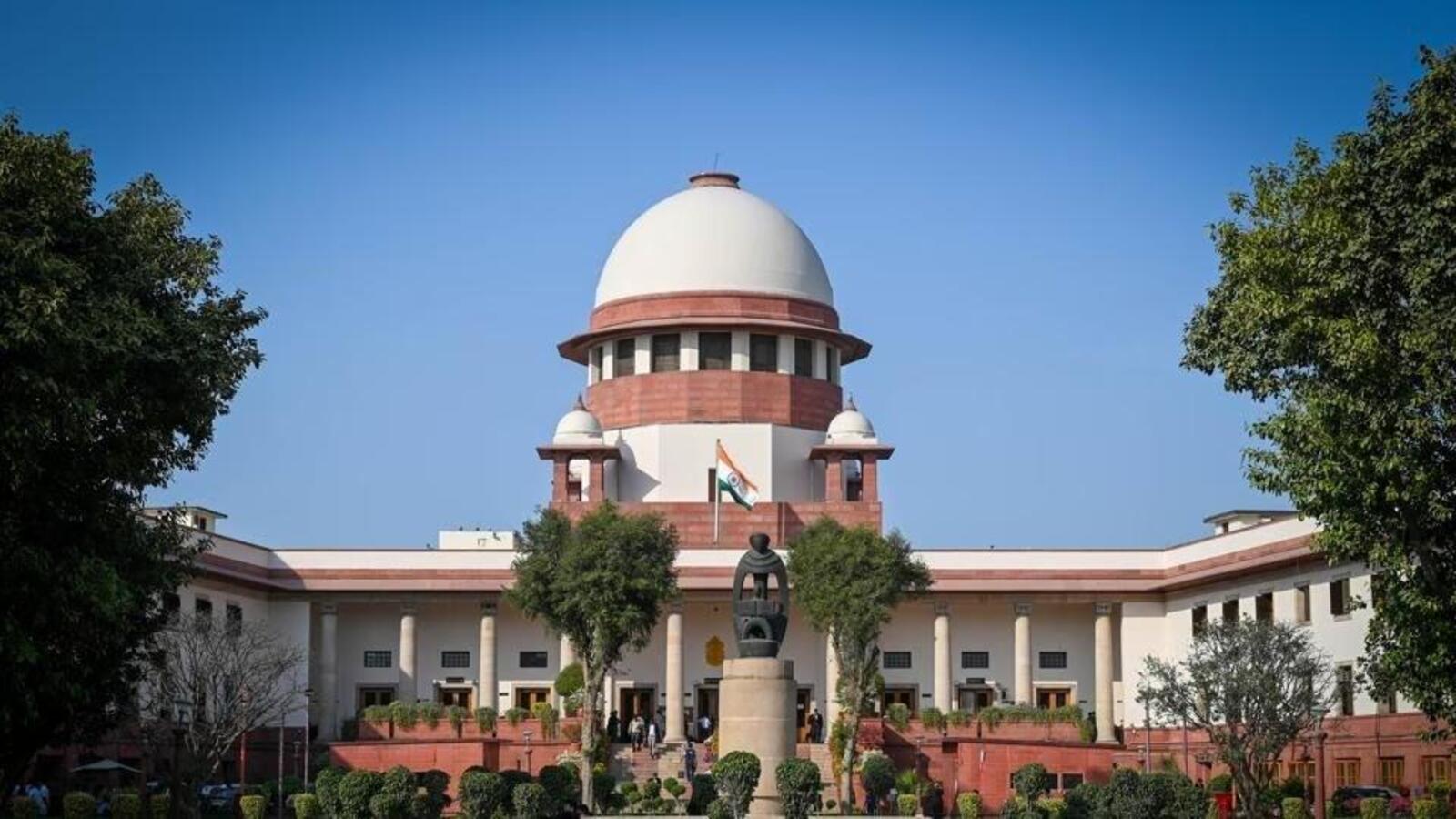
The Supreme Court on Friday asked the Centre to consider revisiting the practice of deciding a child's OBC status on the basis of paternal lineage, and to examine whether children raised by single OBC mothers can also be issued community certificates to claim reservation benefits. The court said the Centre must study how such a change would affect cases involving divorce, abandonment and shared parenting, where custody of a child may be given to one parent.
The suggestion came during the hearing of a public interest litigation filed by an OBC single mother seeking a community certificate for her child to avail of reservation benefits. A bench of justices Joymalya Bagchi and V Mohana observed that Supreme Court judgments have held that the father's identity is the guiding factor for determining a child's caste identity, and asked how far this would impact cases of divorce, abandonment or custody being handed to one parent.
Additional solicitor general Aishwarya Bhati, appearing for the Centre, told the court that the government had filed its response in June 2025 stating that issuance of community certificates was a state subject, and that states were free to frame policies on issuing such certificates to children of single OBC mothers. The bench said a nudge from the Centre would help, after which states could be asked to consider its proposal, and added that the matter had wider implications and required guidelines.
The court sought the Attorney General's inputs on the issue. After Bhati agreed to examine the matter, the court adjourned the case to December 9. The petitioner, Santosh Kumari, a retired schoolteacher, was represented by advocate Dawneesh Shaktivats. The Centre's June 2025 response said any child born to an OBC parent, whether the parents are separated or divorced, should be entitled to an OBC caste certificate based on the credentials of either the OBC father or the OBC mother, depending on who has custody or is actively raising the child.