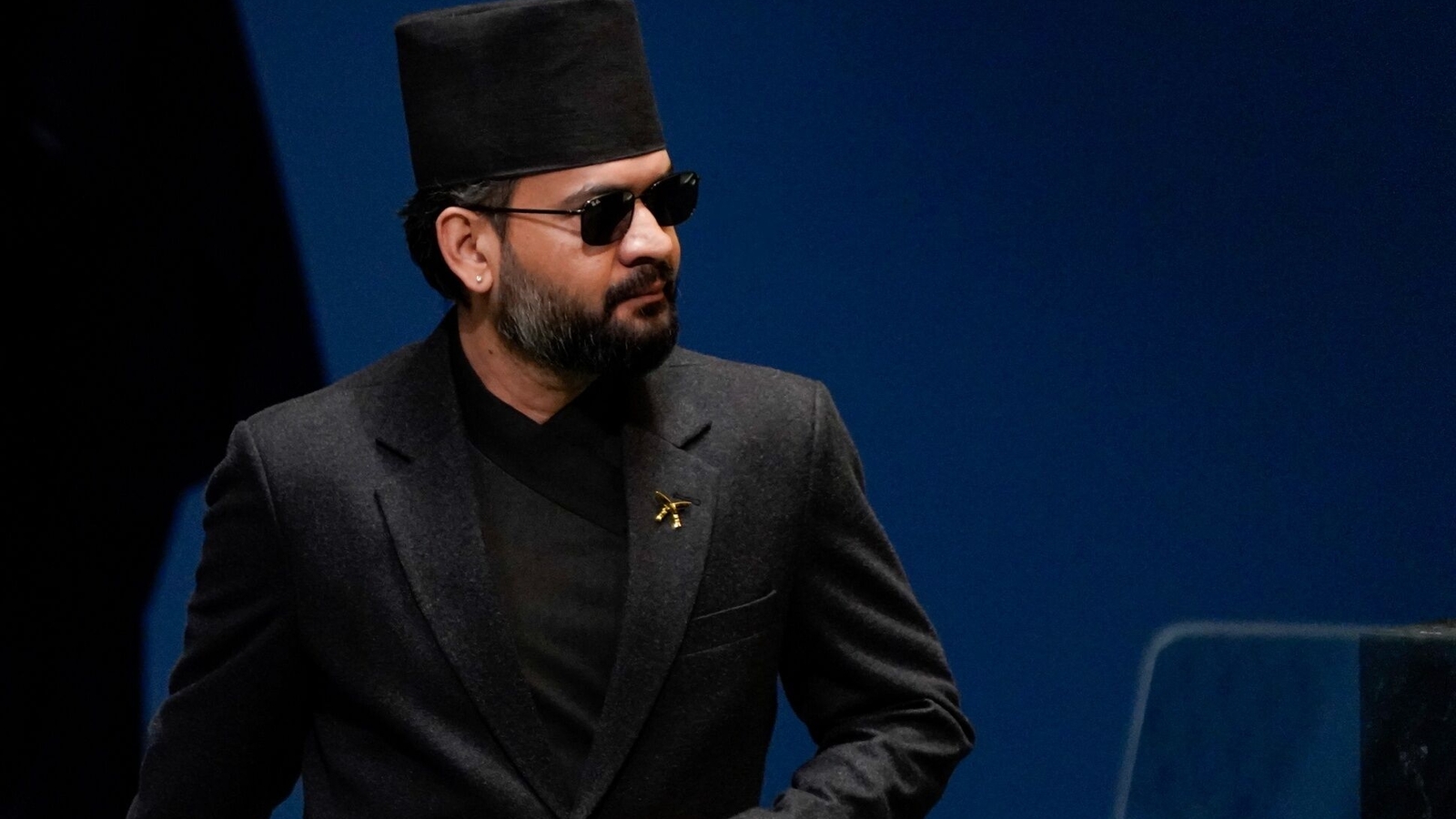
Nepal Prime Minister Balendra Shah began his first visit to India on Sunday, with the two sides looking to reset their overall relationship and conclude agreements to deepen cooperation in energy, connectivity, railways, infrastructure, technology, human resource development and climate change. It is also Shah's first bilateral foreign visit.
Shah, 36, was received in New Delhi by minister of state for commerce Jitin Prasada and met external affairs minister S Jaishankar, who said on social media that India "cherishes the special friendship" with Nepal. The Nepal Prime Minister's Office said the discussions covered connectivity, trade, transit, commerce, energy, culture, education and people-to-people ties.
His talks with Prime Minister Narendra Modi on Monday are expected to give political direction to the partnership and explore new avenues of cooperation. The two PMs will virtually inaugurate completed India-backed connectivity and energy initiatives and lay foundation stones for new projects, according to people familiar with the matter. Several "forward-looking" agreements are also expected, with major outcomes likely in development cooperation, hydropower, connectivity, railways, climate change, disaster resilience, infrastructure and technology, and a rail link between Ayodhya and Janakpur is expected to be unveiled.
The visit follows the Gen Z uprising in 2025 that unseated KP Sharma Oli's government and brought the rapper-turned-politician and a younger generation of Rastriya Swatantra Party leaders to power. Nepal has sought a $2-billion economic package, including $1 billion in grants and aid for reconstruction of areas hit by the August Bhote Koshi flash floods, and has asked for the Kathmandu-Mahendranagar air corridor to be made two-way. Shah is accompanied by a 35-member delegation including foreign minister Shishir Khanal and finance minister Swarnim Wagle, and the Nepal-India Business Forum will be held during the visit.