Financing constraints are holding back the shift to electric commercial vehicles in India, especially in the heavy truck and bus segment, even as registrations rise. Electric trucks and buses totalled 4,904 registrations in October, a 161% jump from 1,882 a year earlier, but they were only 4.1% of all truck and bus registrations that month, according to VAHAN data analysed by VehicleStats India.
The gap is visible in the Centre's electric truck support programme. Of ₹500 crore allocated in 2024 under the PM E-DRIVE scheme to support 5,643 electric trucks, only 55 had received support as of July 22, 2026, according to a Lok Sabha reply. The scheme's overall outlay was later raised to ₹11,900 crore, with implementation extended to March 31, 2028.
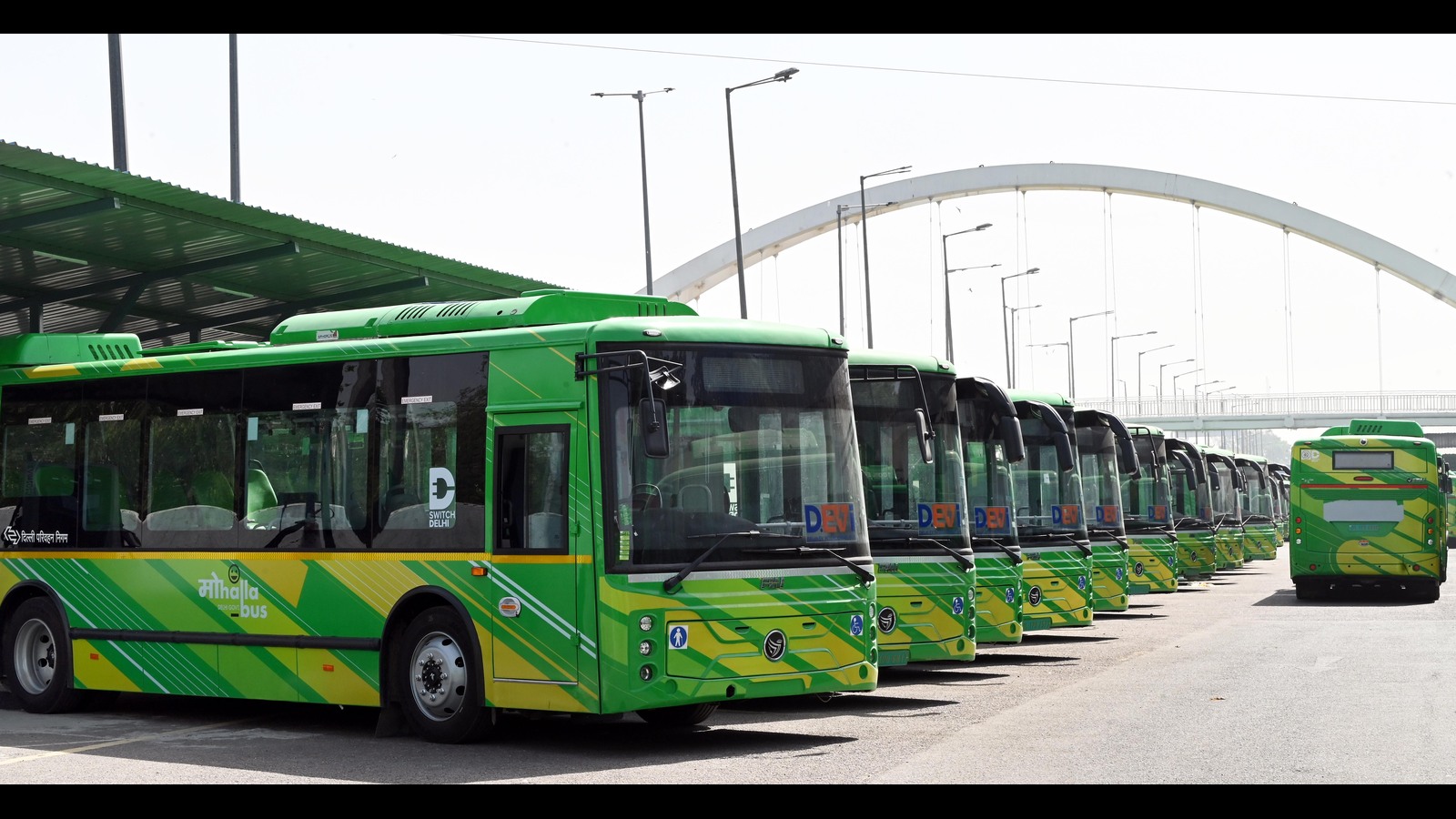
Electric buses face a sharper cost barrier, with an electric bus costing nearly ₹1 crore against ₹40 lakh to ₹60 lakh for a conventional bus. About 5,400 electric buses were registered in 2025-26, roughly 4% of all bus registrations, according to ITDP India. Its report projected registrations rising to 17,814 in 2030-31, or 11.4% of annual bus registrations, still well below the 62,352 needed to meet the EV30@30 goal of 40% electric bus sales by 2030. Private operators, who make up 93% of the bus ecosystem, face higher borrowing costs due to the absence of a resale market or residual-value framework.
Lenders remain cautious about electric trucks over higher upfront costs, uncertain residual values and limited experience with the technology, said Harsimran Kaur of ICCT. She suggested longer loan tenures, residual-value guarantees and buyback arrangements, along with better assessment of vehicle utilisation and cash flows. Mufin Green Finance's Gunjan Jain said its finance-lease model requires a 10-15% security deposit, with the financier paying the rest to the manufacturer, targeting a minimum 16% return. Its heavy electric bus exposure remains small, with only two borrowers financed in the segment.