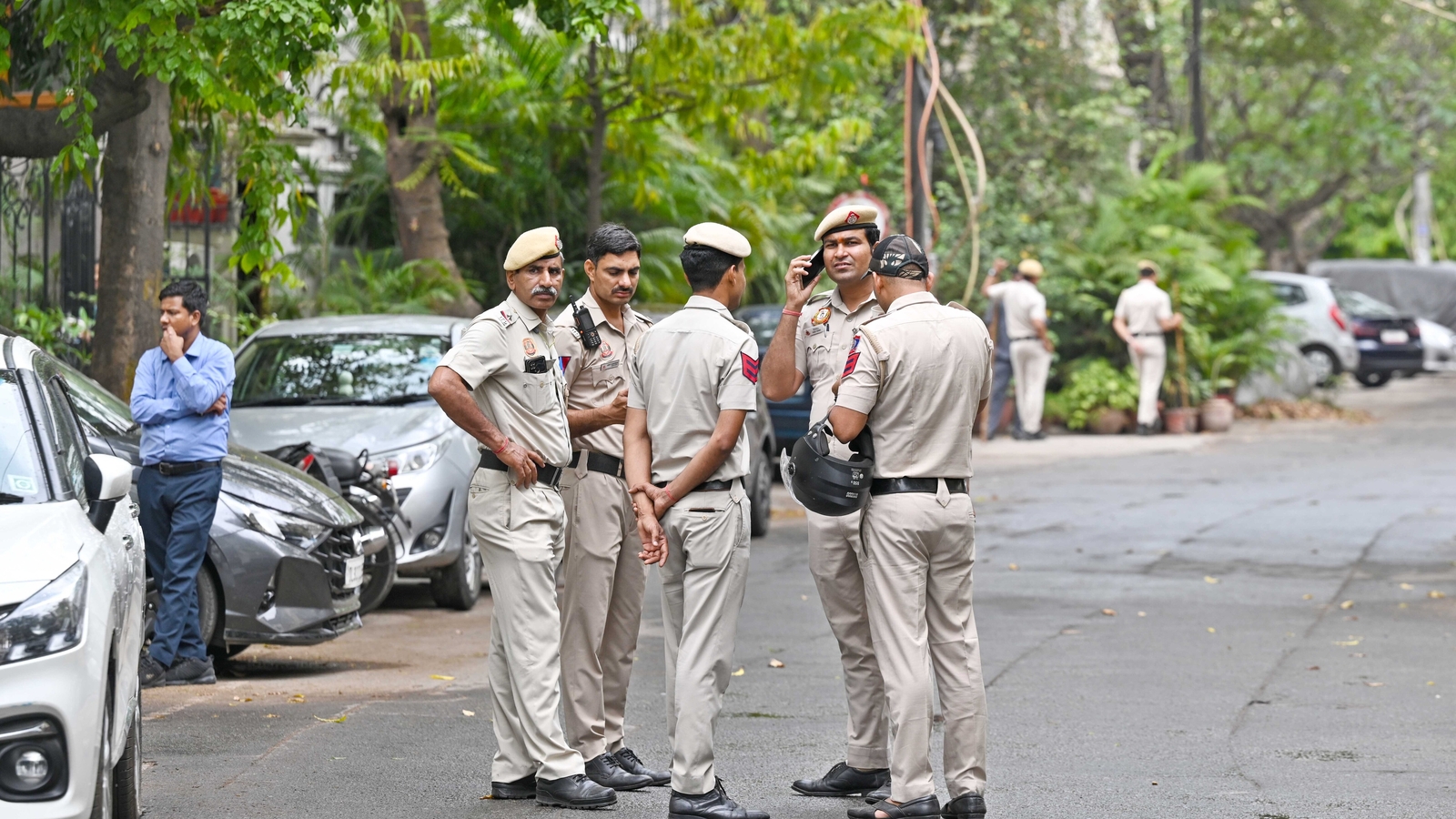
Delhi Police have rescued 164 foreign nationals — 92 Indonesians and 72 Malaysians — who were allegedly trafficked into India with false job promises and forced to work without pay at a fake international call centre in Noida, officials said on Thursday. A 25-year-old Malaysian national, Tan Guan Wei, has been arrested for allegedly running the operation on behalf of two Indian handlers, Sunil Kumar and Sushil Kumar, both of whom remain absconding, police said.
According to Joint Commissioner of Police (Crime) Surender Kumar, the syndicate confined the victims in a 65-room paying guest accommodation in Noida, seized their passports on arrival, restricted their movement and controlled their access to phones. They were allegedly made to work at the call centre, operating from a commercial building in Sector 136, and forced to follow written scripts to cheat people in Indonesia and Malaysia through fraudulent investment platforms. Those who resisted were allegedly assaulted, and the victims were served substandard food, officers said.
The two Indian handlers had been running the call centre under the guise of a private firm, SKV Enterprises, paying ₹20.24 lakh per month in rent for the commercial and residential facilities, Kumar said. Raids led to the recovery of 355 mobile phones, 168 desktop computers, 26 laptops, 63 SIM cards, including 31 international cards, and 174 Indonesian and Malaysian passports. A case has been registered under Bharatiya Nyaya Sanhita sections relating to abduction, human trafficking, unlawful compulsory labour, wrongful confinement, cheating and criminal conspiracy. Look-out circulars have been issued against the two absconding handlers.
Kumar described the network as among the first of its kind busted in India involving foreign nationals allegedly trafficked into the country and forced into cyber fraud. The case comes amid growing concerns over human trafficking into cyber-scam compounds in southeast Asia, where nearly 7,000 Indian nationals were rescued from such compounds and fake job rackets in Cambodia, Laos and Myanmar, according to data shared by the Centre in Parliament in February.