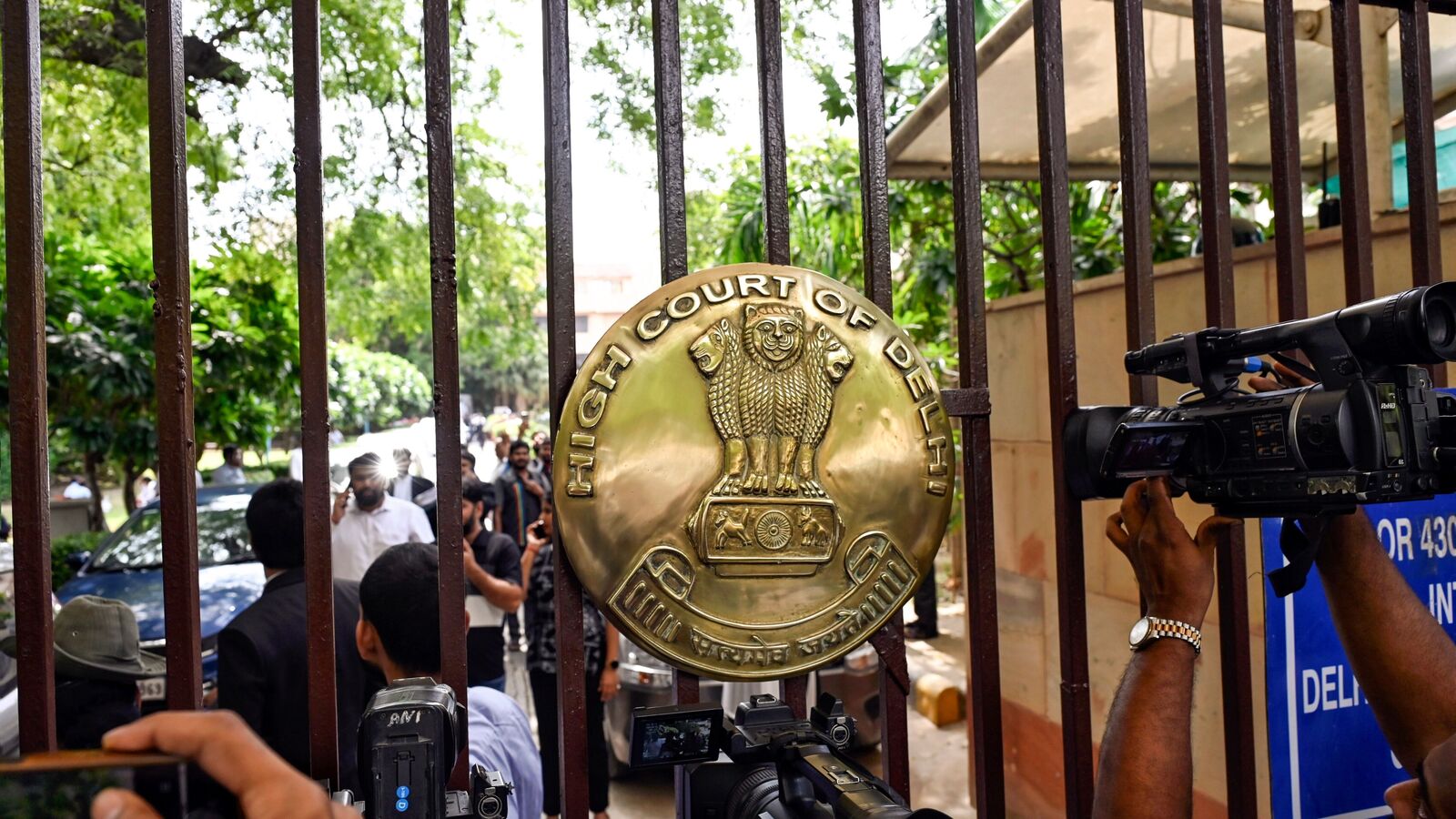
The Delhi High Court has ruled that companies guaranteeing loans taken by their subsidiaries cannot escape GST merely because the guarantee is provided free of charge. A bench of Justices Anil Khetarpal and Bharat Parashar held that a parent company furnishing a guarantee to a bank for a subsidiary's loan is supplying a service under GST law, even without charging a fee, since it assumes responsibility for the loan on default and lets the subsidiary draw on its financial strength and creditworthiness.
The court, however, held that the government's rule valuing such guarantees at 1% of the guaranteed amount does not set a compulsory minimum. Companies can establish with evidence that the actual value is lower, and GST must then be calculated on that lower value. The court also clarified that GST applies when a guarantee is issued, not every year it remains in force, though a guarantee that is renewed, extended or enhanced constitutes a new service. Guarantees issued before 1 July 2017 are not liable to GST unless renewed, extended or enhanced; those issued between 1 July 2017 and 25 October 2023 may attract GST without the 1% valuation rule, which applies to guarantees executed, renewed, extended or enhanced from 26 October 2023.
The court set aside tax notices, orders and demands challenged by companies including Sterlite Power Transmission, ReNew, GAIL India, Avaada Energy, Hero Future Energies and Hero Solar Energy to the extent they conflicted with its findings. Tax authorities can reassess liability and issue fresh notices after giving companies an opportunity to be heard. The ruling follows a similar judgment by the Gujarat High Court in August, which also upheld GST on corporate guarantees.