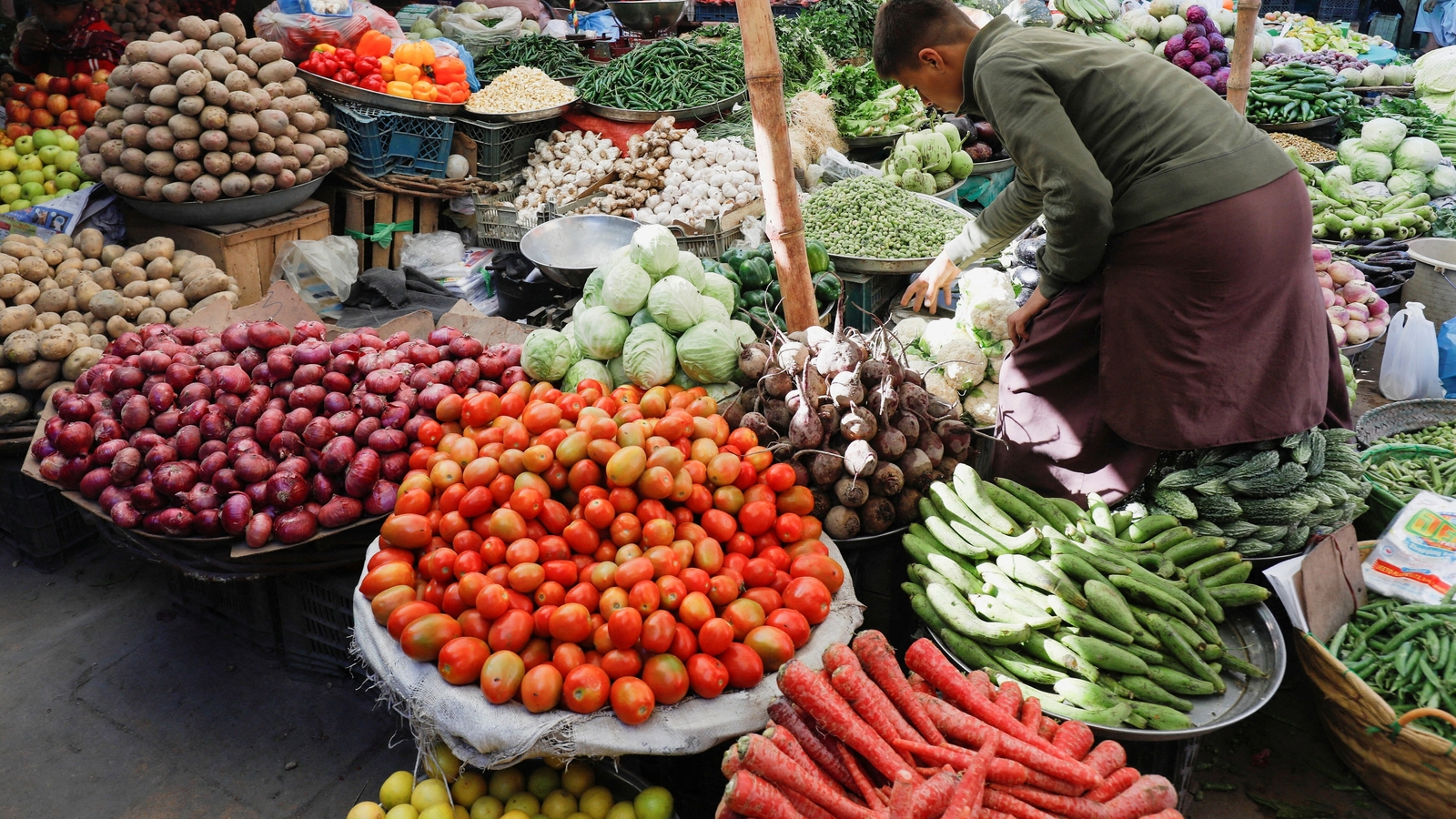
India's retail inflation rose to 6.09% in October, breaching the Reserve Bank of India's upper tolerance limit of 6% under its 2-6% band for the first time in the new consumer price index series, according to data from the ministry of statistics and programme implementation. Food inflation was the biggest pressure point, climbing to 8.94% in October from 7.74% in September. The rise comes amid concerns over El Niño, a climate phenomenon that can weaken monsoon rainfall in India and affect crop supplies.
With food prices driving the spike, the government is expected to fall back on a familiar set of measures to cool the market. If past experience is any guide, these are likely to include releasing buffer stocks, easing imports, restricting exports, imposing stock limits and stepping up action against hoarding. A key tool is the Price Stabilisation Fund, used to procure onions and pulses and release them into the market when needed. For 2026-27, the Centre set a procurement target of 200,000 tonnes for its onion buffer and began procurement through NAFED and NCCF on May 15; about 121,000 tonnes had been procured by August 26, with releases beginning August 24 at ₹35 per kg through government agencies and retail outlets.
Rice has also been a focus, with the government doubling its target for rice sales under the Open Market Sale Scheme for 2026-27 on November 6, from 2.5 million tonnes to 5 million tonnes. Weekly stock disclosures have been made mandatory for rice and paddy traders, wholesalers, retailers and processors, and five southern states — Andhra Pradesh, Karnataka, Kerala, Tamil Nadu and Telangana — have been allowed to impose stock limits until January 31, 2027. On pulses, the government has allowed imports of tur and urad under the free category until March 31, 2027. For sugar, the RBI's October Monetary Policy Report said prices rose about 34% between early July and late August to ₹65 per kg, retreating in September after export restrictions, stock limits, duty-free imports of up to 1 million tonnes of raw sugar and an early start to sugarcane crushing.
Economists say such interventions have helped prevent supply shocks from translating into sharp retail price increases. Dipti Deshpande, principal economist at Crisil, said a comparison of previous weak-monsoon years shows deficient rainfall does not necessarily lead to higher food inflation, citing the El Niño-affected monsoons of FY2015 and FY2016. "The transmission of weather shocks to food inflation has weakened over time because of the government's supply-side interventions," she said, citing stronger pulses buffer stocks, action against hoarding, imports through the Price Stabilisation Fund and restrained minimum support price increases. She expects the government to continue releasing stocks and adjusting trade policies, but said longer-term changes are also needed, including expanding irrigation coverage and strengthening procurement systems.