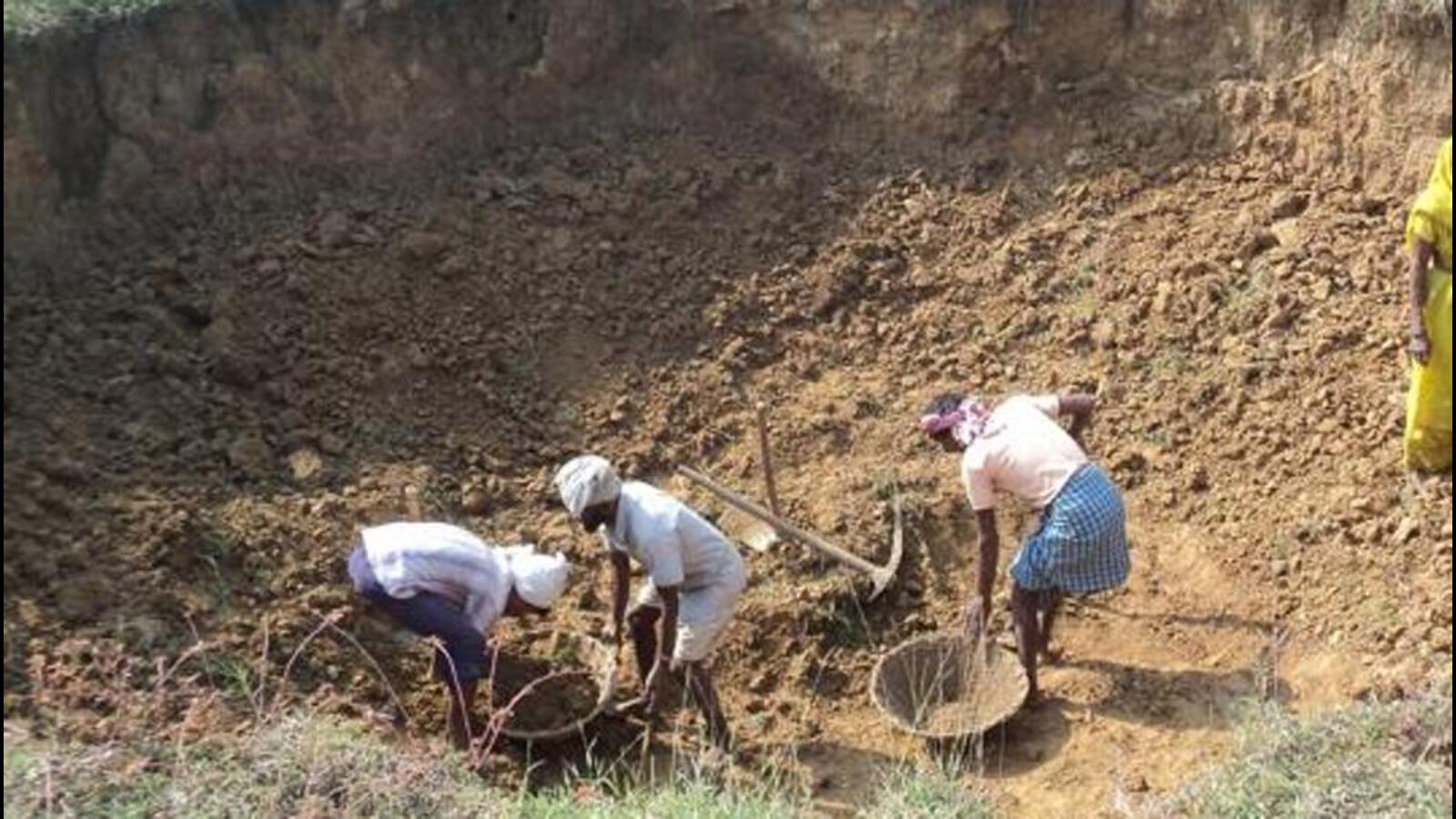
A PRS Legislative Research report estimates that states would have spent about ₹33,000 crore on the rural employment programme in 2025-26 under the new VB-G RAM G funding formula, against the ₹5,261 crore actually spent. The higher burden stems from the change in cost-sharing between the Centre and states.
Under MGNREGA, the Centre funded the entire wage cost and 75% of material costs, with states covering the remaining material and administrative expenditure. The Viksit Bharat–Guarantee for Rozgar and Ajeevika Mission (Gramin), which replaced MGNREGA from July 1, 2026, requires states to bear 40% of wage, material and administrative costs, with the Centre contributing 60%. For Himalayan and northeastern states, the ratio is 90:10 in the Centre's favour.
According to the report, the additional burden would be particularly high for large states such as Bihar, Madhya Pradesh, Maharashtra and Uttar Pradesh, where expenditure would have risen by around ₹2,000–3,000 crore each. The estimate assumes unchanged person-days, wage rates and material and administrative expenditure.
The Centre said on October 23 that nearly 460 million person-days of employment had been generated under the scheme since rollout, with more than 36.5 million workers from 28.9 million rural households receiving work. It has allocated ₹95,692 crore for 2026-27; including states' contribution, the total provision exceeds ₹1.51 lakh crore, according to the rural development ministry. PRS also noted that the average workdays per household fell to 43 in 2025-26 against the 100-day guarantee, with only 4% of households receiving the full 100 days.