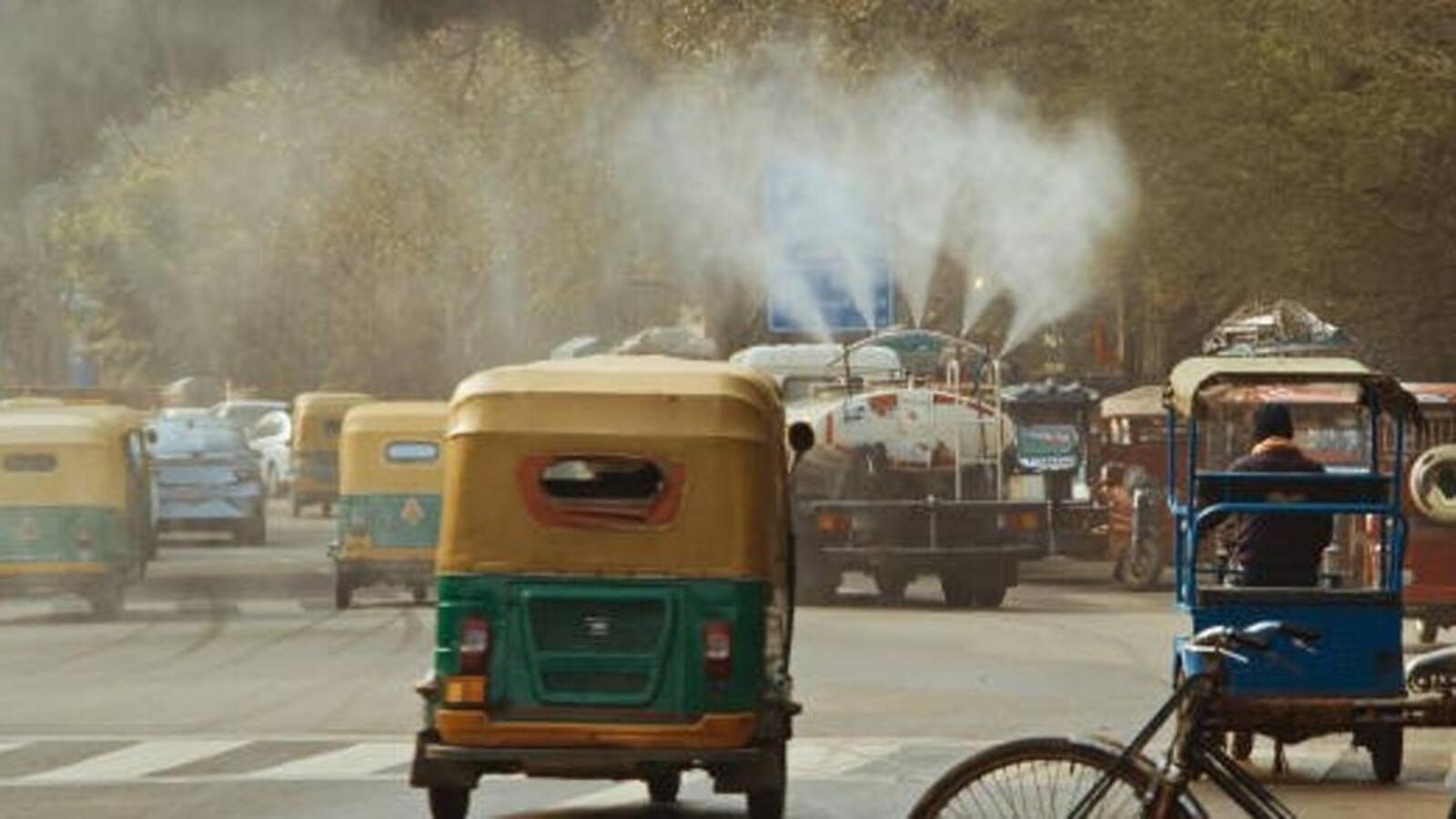
The Delhi High Court has allowed two senior citizens living in the US and the UK to record their evidence through video conferencing in a probate case, citing their age, the difficulty of international travel and health concerns linked to Delhi's air pollution. In an order dated November 6, Justice Vinod Kumar directed officials of the Indian High Commission in London and the Consulate General of India in New York to be present at their respective locations during the virtual examination, and designated the high court as the court point for the cross-examination.
The court noted that the request was based on the applicants' advanced age, the inconvenience of international travel and the health risks posed by the pollution conditions prevailing in the national capital during the proposed examination period. It said these circumstances were relevant considerations in deciding the appropriate mode of recording their evidence. With video conferencing permitted, the court said the alternative prayer for physical appearance in India in February or March 2027 did not require separate consideration.
The order was passed on an application by the two individuals, aged 77 and 79, in a pending petition under the Indian Succession Act seeking probate of a 2010 will. They submitted that their evidence was likely to be recorded between October 2026 and January 2027, a period when Delhi-NCR typically witnesses severe air pollution, and that prolonged exposure could pose a health risk, particularly as they were not accustomed to Delhi's climate during those months. The petitioner opposed the application, arguing it would further delay the proceedings.
While allowing the application, the court directed the two individuals to pay a consolidated fee of ₹1 lakh for the services of the IT officer, to be shared equally. It also directed the local commissioner, the parties and the concerned coordinators to ensure strict compliance with safeguards relating to witness identification, prevention of tutoring, production and exhibition of documents, administration of oath, recording of evidence, signing of transcripts and preservation of electronic records.