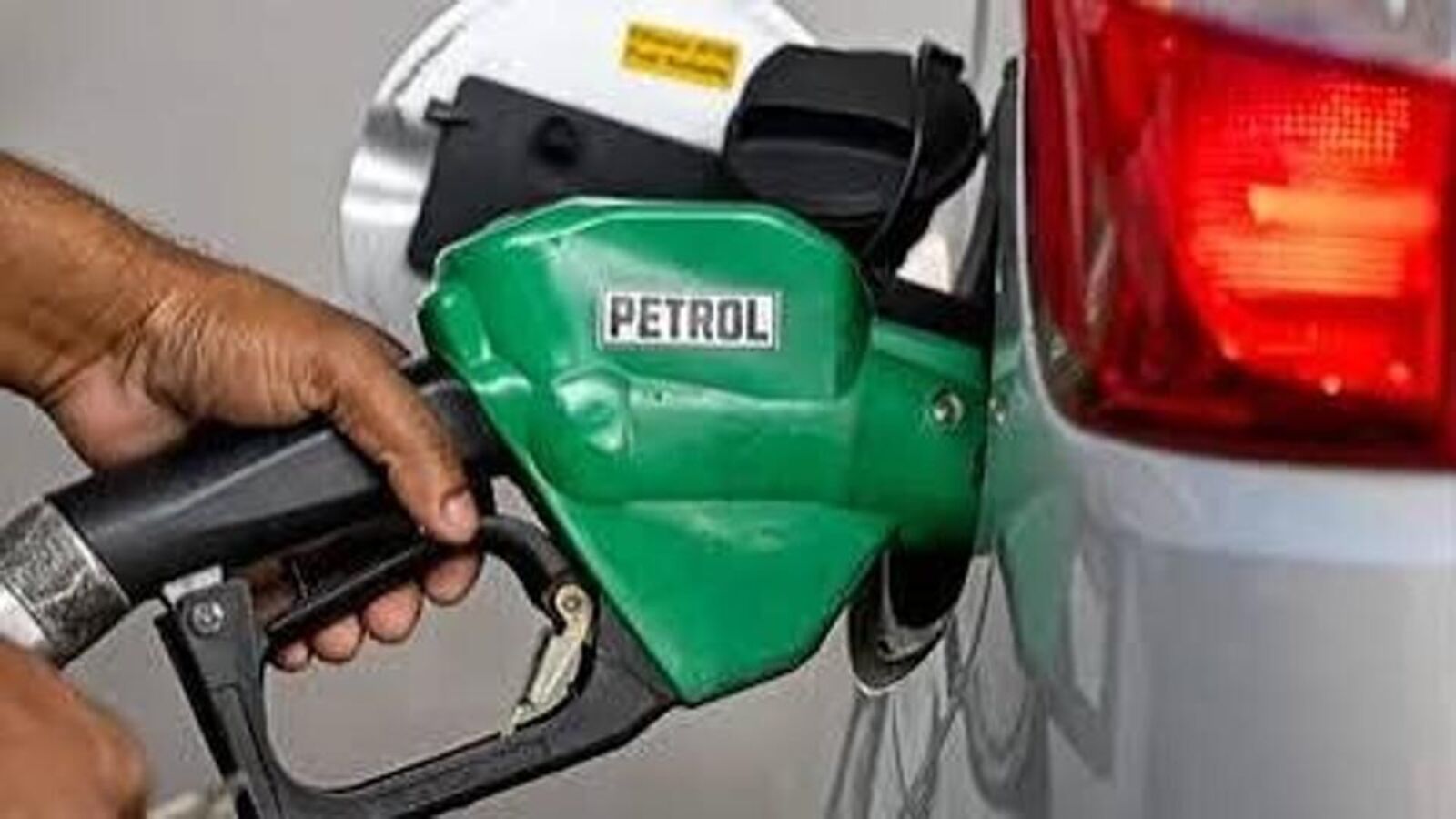
Petrol and diesel prices remained largely unchanged across major Indian cities on November 16, even as the Centre removed the additional excise duty on petrol exports. Domestic retailers have kept rates steady, shielding consumers from recent Middle East-driven oil price shocks. Fuel costs vary between states and cities due to local taxes such as VAT, freight charges and other localised factors.
In Delhi, petrol is retailing at ₹102.12 per litre and diesel at ₹95.20 per litre. Mumbai has petrol at ₹111.21 per litre and diesel at ₹97.83 per litre. Chennai residents pay ₹107.76 per litre for petrol and ₹99.55 per litre for diesel, while Kolkata has petrol at ₹113.51 per litre and diesel at ₹99.82 per litre. In Bengaluru, petrol is priced at ₹111.68 per litre and diesel at ₹99.56 per litre, and Hyderabad has petrol at ₹116.15 per litre and diesel at ₹104.23 per litre.
Union Minister Suresh Gopi said an immediate reduction in petrol and diesel prices was not technically possible, citing losses of ₹42,000 crore incurred by oil companies and "chaos" in the supply of petroleum products. Speaking to reporters at Meenambakkam airport, he said individual states had the option to reduce petrol taxes and that the financial position of oil companies needed to be considered before any immediate reduction. "We may wish for prices to come down the next day. But technically it is not possible right away. Oil companies have already incurred losses of ₹42,000 crore. All this needs to be compensated," he said, referring to the West Asia conflict.
Crude oil prices fell on Monday on expectations of a supply surplus, as shipments from the Middle East via the Strait of Hormuz have nearly returned to pre-war levels and the US took steps to facilitate the movement of fuel cargoes between domestic ports. Brent futures were down 47 cents, or 0.49%, to $95.37 a barrel by 0145 GMT, while US West Texas Intermediate crude fell 23 cents, or 0.26%, to $88.33. The International Energy Agency said on Friday that the world oil market will return to a surplus in the fourth quarter of this year, as Middle East exports recover faster than global oil demand despite continued attacks on shipping.