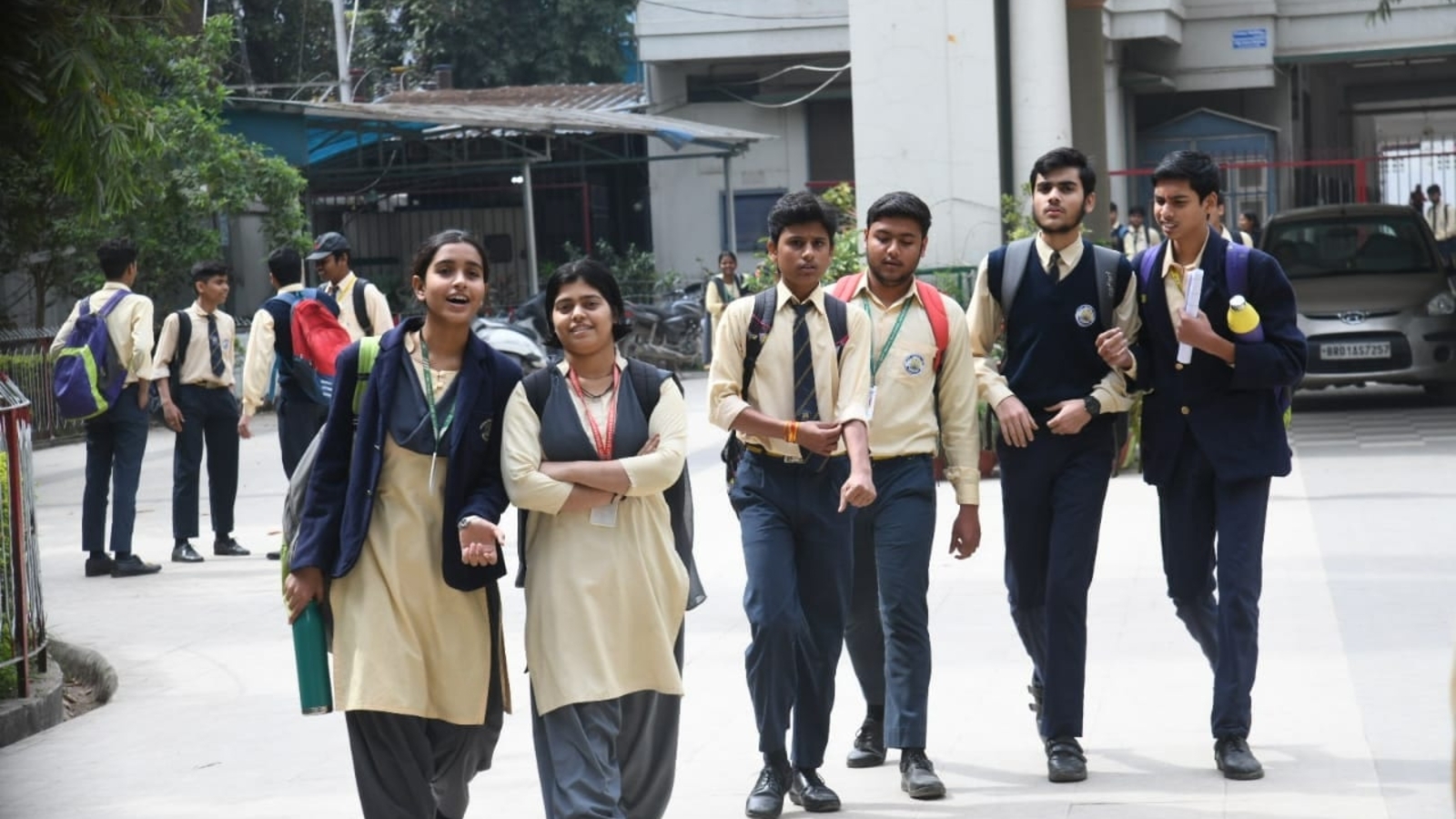
Four students of a government residential school in Jharkhand's Chatra district have been detained for allegedly strangling a fellow student to death, police said on Friday. According to Chatra Sub-Divisional Police Officer Sunny Vardhan, the four boys, aged between 14 and 16, were upset after the victim reportedly reported them to the principal and hostel warden multiple times for consuming chewing tobacco and smoking cigarettes. The Class 7 student of Eklavya Model Residential School in Charu was found dead in his hostel on November 24, with his father alleging murder. The probe found the accused allegedly strangled him with a scarf, the SDPO said, adding that three of the detained were Class 8 students and one was in Class 7.
School principal Pradip Thakur, however, denied receiving any complaint against the accused from the victim, saying he was shocked when police informed him of the reason behind the murder. He claimed he was not in the district when the incident occurred and returned the next day, and said he has initiated an inquiry to ascertain whether the victim had reported the accused to any teacher or official, and whether he was tortured by fellow students. The victim's uncle, Manoj Hembram, said he received a call from the school on the morning of November 24 that his nephew was in serious condition, and was informed en route from Giridih that the boy had died. He said he noticed blood stains on the ears and nose and a mark on the neck, and suspected strangulation.
Thakur said the school has 220 students housed in 50 hostel rooms, with four students per room, and that the accused and the victim did not share a room. The three students who shared the victim's room told police they heard nothing on the night of the incident as they were asleep. The principal also said the school does not have adequate security guards, with only one guard manning the 50 hostel rooms that night.
Dr Umesh, a psychiatrist at the Central Institute of Psychiatry in Ranchi, called for regular counselling of students to prevent such incidents, saying what was going on in the accused's minds could be ascertained only after one-to-one discussion, but that regular counselling is required in schools, particularly residential ones.