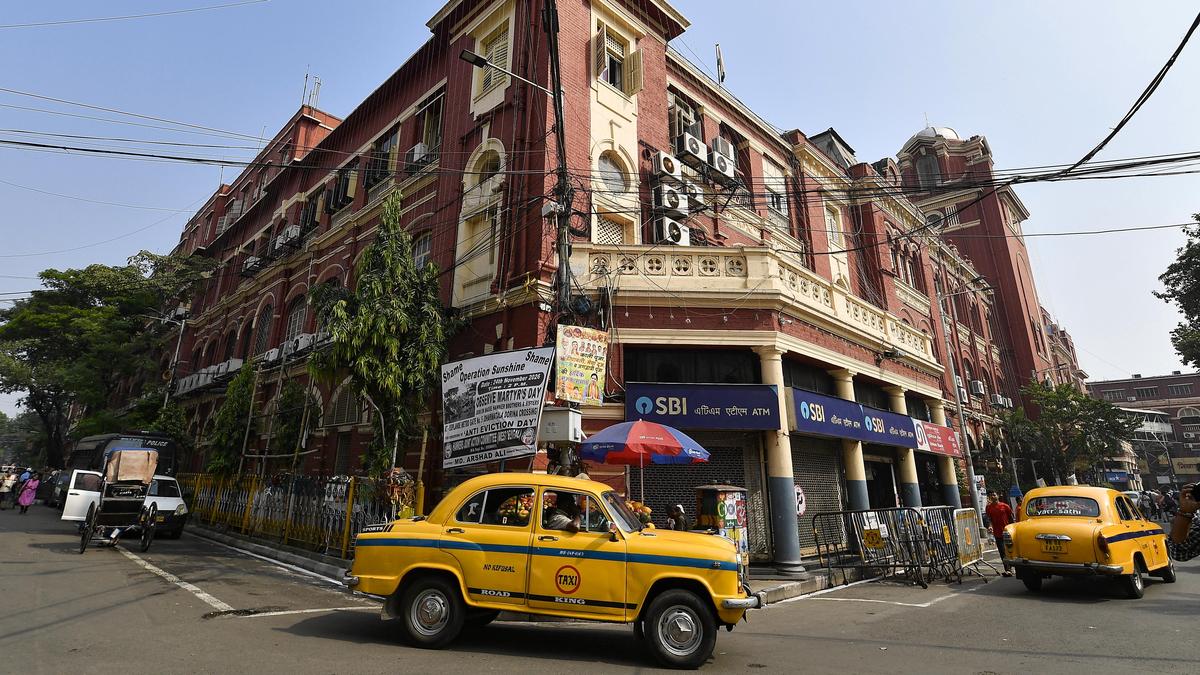
The Bharatiya Janata Party government in West Bengal has redrawn the boundaries of Kolkata Municipal Corporation wards, a move that has drawn accusations of gerrymandering and is now being challenged in the Supreme Court. On August 12, three months after coming to power in the summer of 2026, the state government passed The Kolkata Municipal Corporation (Amendment) Bill, 2026, in the Assembly, increasing the civic body's wards from 144 to 209.
Under the exercise, the areas of the erstwhile ward number 58 in Topsia, in central-east Kolkata, have been split into three wards—73, 74 and 75. The newly demarcated ward 73 now somewhat resembles a hammer, with a narrow strip of land connecting two areas. The last delimitation of KMC wards was carried out in 1980, during the Left Front government, almost 46 years ago.
Opposition members say the BJP has carved out wards to benefit itself in the local body elections. Gerrymandering, a two-century-old political tool, is defined as the practice of drawing the boundaries of electoral constituencies in a way that gives one political party, group or individual an unfair advantage over others.
Sajal Ghosh, former councillor of the previous ward no. 50 and BJP MLA from Kolkata's Baranagar Assembly seat, says a delimitation was necessary. "The municipal corporation is like a service industry. In your lifetime you may or may not need an MLA. One in 10,000 may need an MP, but there is no family who does not require the services of their councillor and the municipality where they stay," he said.