The COP31 climate summit in Antalya, jointly hosted by Türkiye and Australia, ended without an agreement after three draft texts were circulated, with divisions over the timeline for phasing out fossil fuels and climate finance for developing economies. Island nations backed by the European Union and the UK refused to soften the phase-out language, while a small group of oil-producing countries led by Saudi Arabia opposed a specific timeframe. India and China sought firm climate finance commitments, and India, speaking for the Like-Minded Developing Countries, cited social security and development needs to argue for continued fossil fuel use. COP decisions require consensus, not a majority vote.
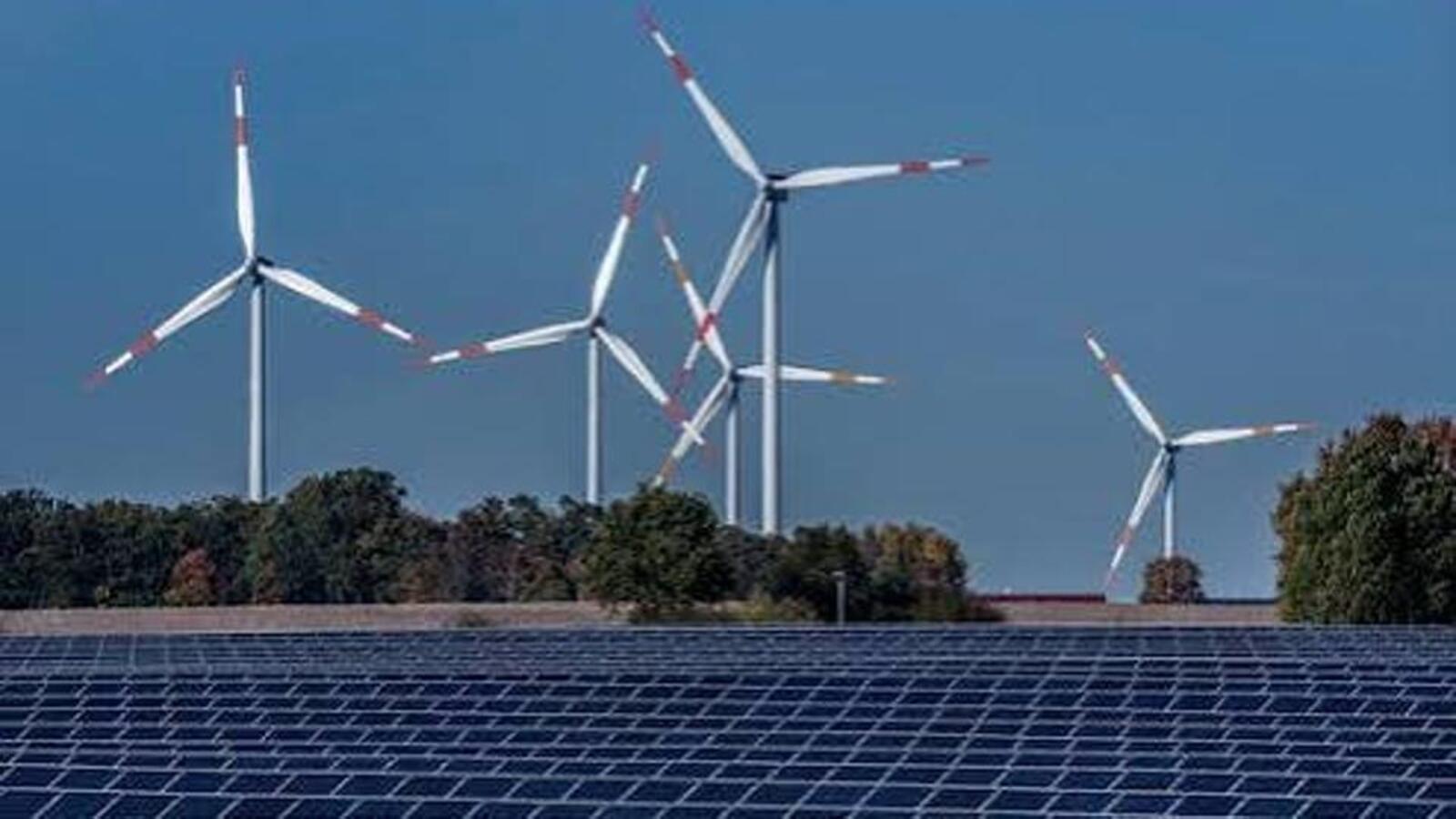
The impasse echoes the 2009 Copenhagen summit, which also ended without a deal, though the situation today differs markedly. According to the International Energy Agency, renewables accounted for just 18.29% of the global energy mix in 2009, with about 130 countries investing in the sector; by 2025 their share had reached almost 34% and is projected to touch 45% by 2031, with nearly 200 countries now holding renewable capacity. Electric vehicles made up only 0.1% of global vehicle sales in 2009, against around 26-28% in 2025, and the IEA says EV growth has slowed fossil fuel demand growth by eight percentage points.
The IEA has projected global renewable capacity to grow by almost 4,800 gigawatts between 2026 and 2031, 57% more than in the previous six years, with India becoming the world's second-largest growth market after China. It also noted that higher oil prices and energy security concerns amid the Middle East crisis have raised the forecast for liquid biofuel production growth by 40% compared with last year's report.
The Antalya summit drew no head of state from a major economy, and the environment ministers of the host countries were not seen working to build consensus. The absence of a deal is not expected to derail the transition but is seen as a political signal of a deepening global divide, with progress on the climate agenda widely expected to await the United States elections in November 2028.