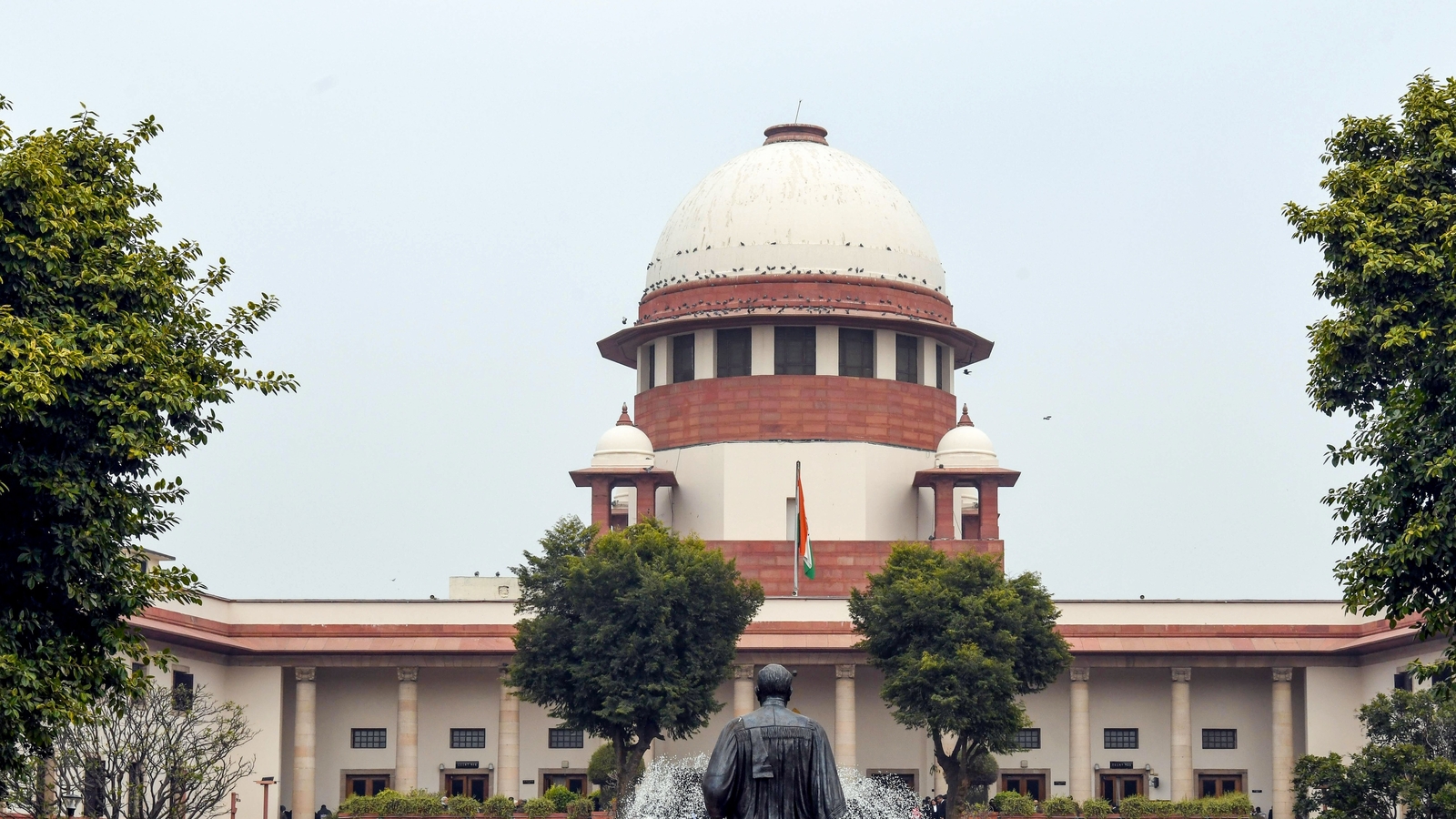
The Supreme Court on Thursday observed that self-proclaimed journalists may not enjoy the same protection as accredited reporters, while hearing pleas over the alleged ill-treatment of media personnel during anti-CEC protests in Delhi. The pleas were filed by the Kerala Union of Working Journalists and the Delhi Union of Journalists, who submitted that their reporters were forcibly removed from protest sites and prevented from recording events, with some allegedly subjected to physical force, according to reports.
The petitions concern complaints of police excesses and misconduct during protests against Chief Election Commissioner Gyanesh Kumar in the Capital last month. Noting that the status of a journalist "is not self-conferred," Justice Joymalya Bagchi observed that accreditation depends on the medium. The bench, comprising Chief Justice Surya Kant, Justice Joymalya Bagchi and Justice V Mohana, referred the pleas over the alleged detention of seven journalists and the alleged assault and obstruction of reporters covering protests on October 10 and 11 to a high-powered committee headed by former Supreme Court judge R Subhash Reddy.
The court said it would first have to define who a journalist is, weighing whether the term covers those registered under the Press Council, those employed with a registered newspaper or TV channel, or social media content creators making reels. Justice Bagchi said the issues raised would involve balancing journalistic freedom with the administration of public order and law. The Chief Justice indicated that the court would intervene on grey areas or wherever clarification is needed regarding a standard operating procedure for dealing with journalists covering protests.
The hearing follows a Delhi Police affidavit stating there was a need to ascertain whether "reel makers" and "content creators" can be considered journalists. One counsel argued that categorising people as journalists or reel-makers could not be done at a protest site while people were being removed. Justice Bagchi responded that even if an SOP is laid down, enforcement agencies' graded stance would depend on the status and character of the person claiming to be a journalist.