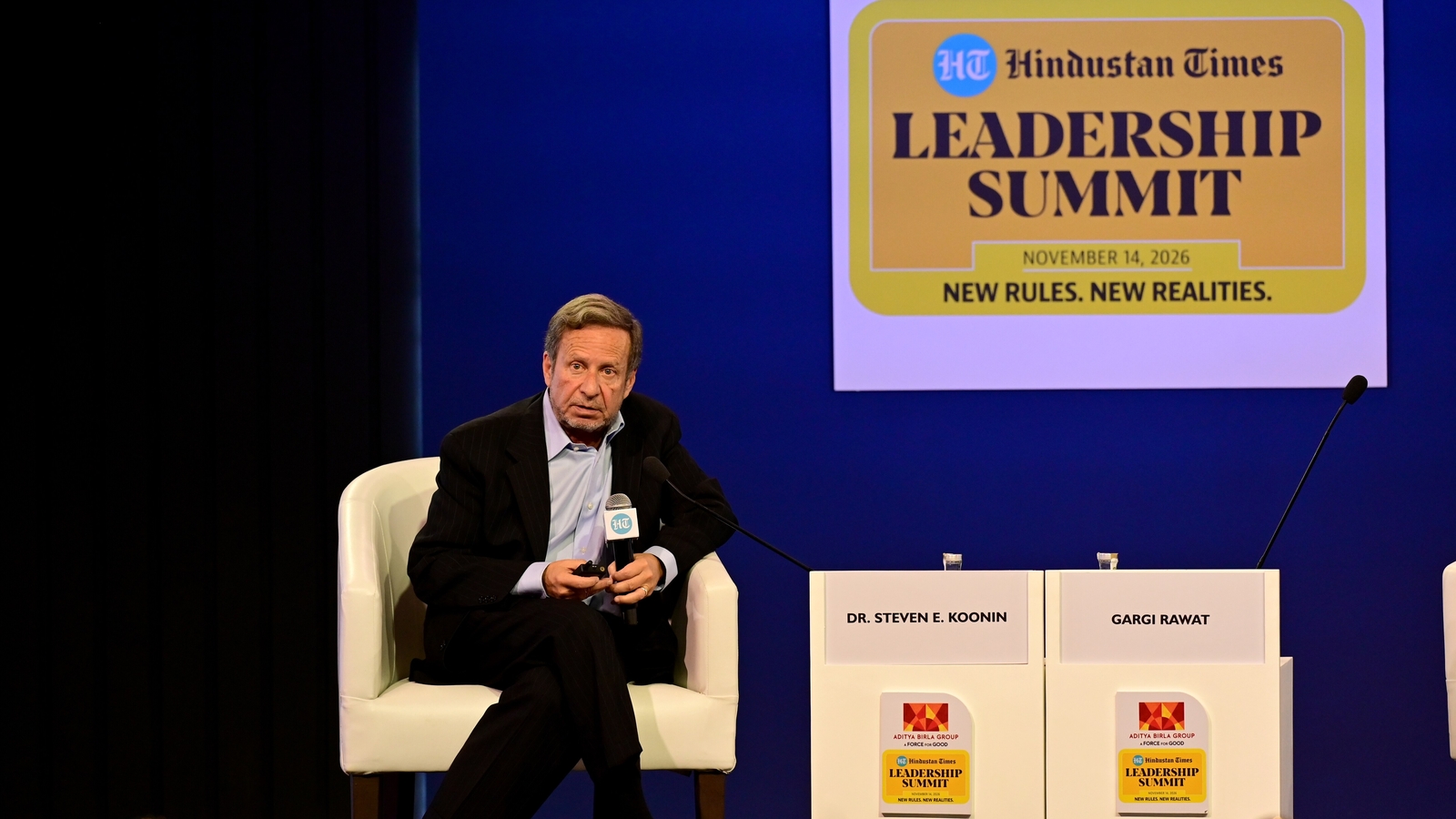
Physicist Steven Koonin said global emissions continue to rise and promised financial help from developed to developing countries has not materialised, questioning the achievements of COP31 in Türkiye. Speaking to a consulting editor at the Leadership Summit on November 14, the 74-year-old Edward Teller Fellow at Stanford University's Hoover Institution said it is time to rethink the world's response to climate change.
Asked about the negotiations at COP31, scheduled to conclude on Friday, Koonin said emissions are soaring and Western financial promises have not been fulfilled. He said he does not expect large-scale aid from the West given the financial strain caused by ongoing global conflicts, pointing to overextension on social security and trade issues. When the moderator described the pursuit of such aid as a mirage, Koonin said the history of the COPs has shown that.
At the 2024 climate conference, rich countries agreed to triple climate funding for developing countries to $300 billion per year by 2035, up from the previous $100 billion annual goal, and to scale up finance from public and private sources to $1.3 trillion per year by 2035. According to reports, rich countries met their 2020 target two years later. Reports said the latest negotiating draft at COP31 retains the call to triple adaptation finance by 2035 but leaves out key details on a starting point, milestones and tracking. Fiji climate minister Lynda Tabuya alleged rich nations have closed ranks against putting a dollar figure on adaptation finance, describing a more coordinated pushback than at previous summits.
On decarbonisation in India, Koonin said the country needs energy and should obtain it in the most convenient way available, and worry about cutting carbon only once it "gets rich enough". He said energy needs are immediate while the climate threat is distant, vague and uncertain, and noted that only 15% of Indian households have air conditioning.