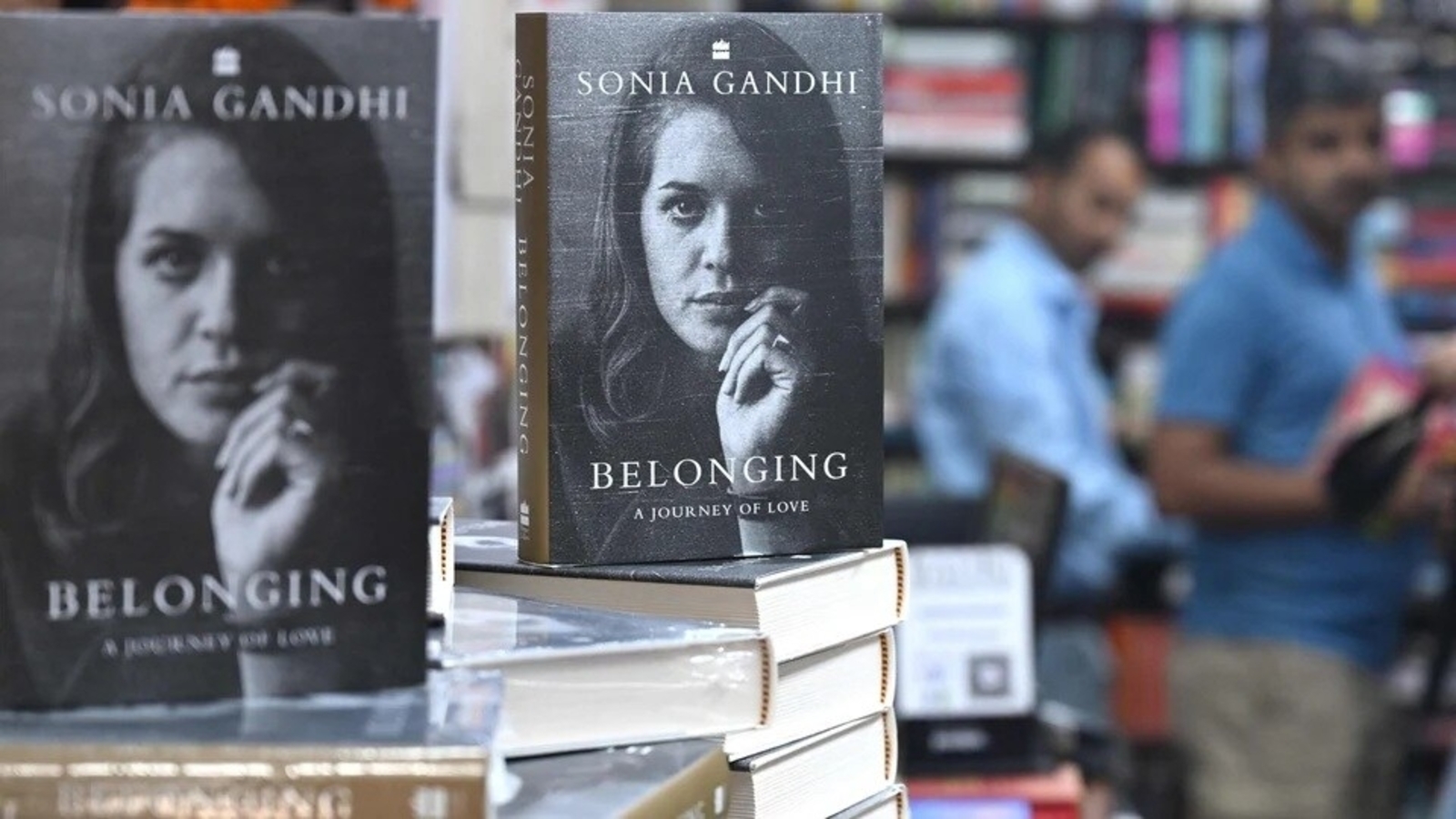
Sonia Gandhi's memoir, Belonging: A Journey of Love, offers a candid account of the cultural barriers she negotiated after moving from a small village in post-war Italy to India's premier political household in 1968, according to an author's reading of the book. The memoir describes the vulnerability of being an outsider in an unfamiliar world—being watched, fearing unintended faux pas and grappling with what she terms the "unstated dictates" of an intricate Indian family structure. Her account covers adapting to Indian spices, learning to wear a sari and agonising over how to address her mother-in-law, Indira Gandhi, resisting the expectation to call her "Ma" because, in her Italian soul, there could only ever be one Mamma.
The author, whose published works include biographies of Mirza Ghalib and Adi Shankaracharya, notes that while Gandhi emphasises the book is a "personal memoir", it was predictable that aspects of her narrative would draw political controversy, given her public profile. Nothing really remains "personal" in politics, the author observes.
The piece argues that the idea of a seamless "global village" converging towards a uniform cosmopolitan sensibility mistakes the wrapper for the substance. Shared fast-food chains, denim and television news cycles, it contends, do not erase deep civilisational fault lines of culture, which is etched into civilisational DNA and manifests in language, dress, mannerisms, customs, etiquette, religious beliefs and food preferences.
To illustrate how intangible cultural barriers can be, the author cites a humorous but true story from his book Becoming Indian: The Unfinished Revolution of Culture and Identity—an Indian woman bureaucrat on official trip to Paris who set off a hotel rooftop alarm while trying to sight the moon for her Karva Chauth fast, and could not explain herself to the French police owing to the language barrier.