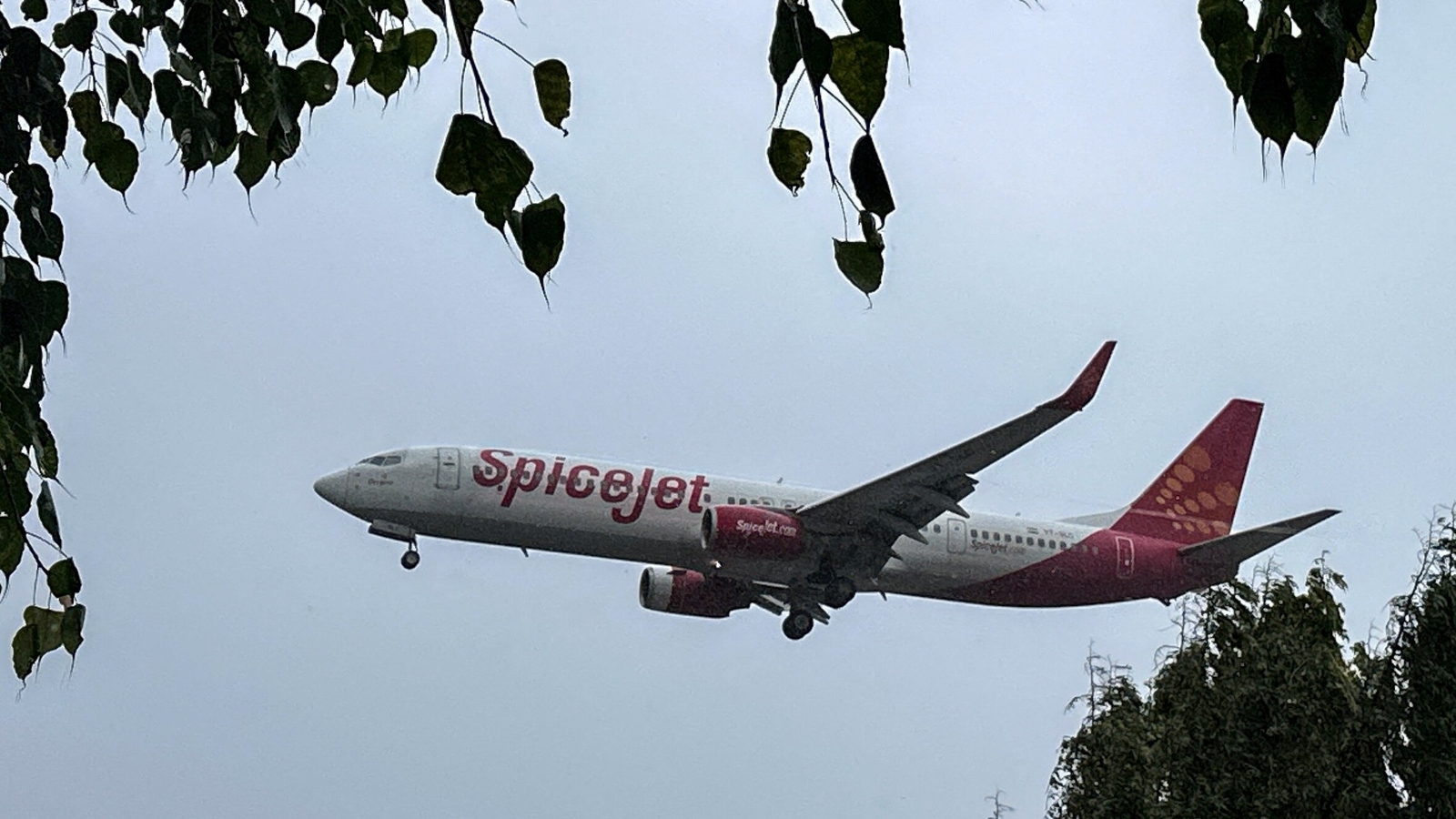
The Federation of Indian Pilots (FIP) has written to civil aviation minister Kinjarapu Ram Mohan Naidu, raising concerns that SpiceJet's financial crisis could affect aviation safety. In its letter, the pilots' body said most of the airline's aircraft were grounded and that vendor and airport dues remained unpaid, according to the original report. It said salary payments to pilots and other employees had been delayed, with some dues outstanding for months, and that some service providers had reportedly moved the airline to a cash-and-carry payment arrangement.
The FIP said the crisis was not merely a corporate financial matter, but one with consequences for travellers, employees, pilots, airport operators, aircraft lessors and service providers, as well as for the safety and sustainability of civil aviation in India. It urged the government to examine the financial health of airlines and the adequacy of existing regulatory mechanisms so that distress is identified before it affects operations and safety.
The letter comes days after the Directorate General of Civil Aviation (DGCA) issued a show-cause notice to SpiceJet over repeated rule violations, flight delays and cancellations, and concerns about its largely grounded fleet. The airline, once India's leading domestic carrier with a market share of approximately 21 per cent in 2014, has seen a substantial decline in its market position and operational capacity, the FIP said, citing accumulated liabilities and difficulties in meeting day-to-day financial commitments.
The pilots' body attributed the crisis to a mix of internal and external factors, including the prolonged grounding of aircraft, the impact of the Boeing 737 MAX grounding in 2019, accumulated debts, inadequate working capital and high foreign currency exposure. It also cited rising aviation turbine fuel prices, high and varying state VAT on fuel, and geopolitical tensions. The FIP recommended that the ministry direct the DGCA to review the effectiveness of regulatory provisions under the Civil Aviation Requirement, and proposed a mandatory annual financial health and safety-risk assessment for every scheduled airline, with quarterly monitoring for carriers showing financial distress. SpiceJet's board had approved a proposal on November 18 to raise up to ₹5,500 crore through equity and other permitted instruments.