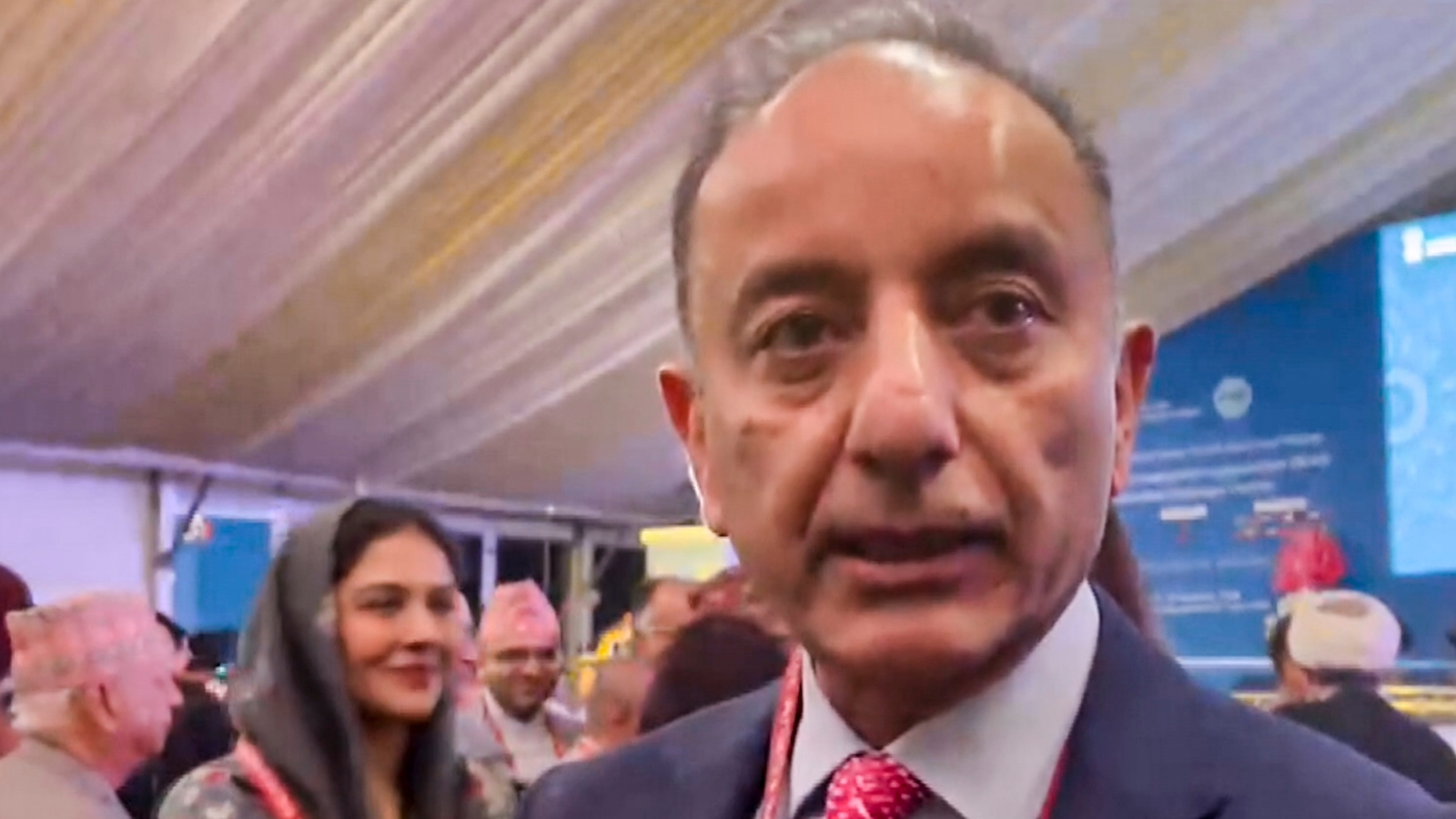
Pakistan's climate change minister Musadik Malik has received approval to visit the Taj Mahal in Agra, while his request to visit Nizamuddin Dargah in Delhi has been rejected, the Ministry of External Affairs said on Saturday, according to ANI. The Pakistani delegation led by Malik will also visit other security-cleared locations in Delhi, including Humayun's Tomb and Dilli Haat, the report said, citing sources. The proposed visit to Nizamuddin Dargah was reportedly not cleared by security agencies and the Ministry of External Affairs.
Malik is in India for the Shanghai Cooperation Organisation (SCO) Civilisational Dialogue Forum, being hosted in New Delhi from November 20 to 22. This is the first visit by a Pakistani minister to India in three years. On Friday, Malik said Pakistan will fully support all efforts to take forward peace and security in the region. "Whenever you talk of peace and when different countries come together and they sit together and make efforts to take forward peace and security, then we will also participate fully," he said on the sidelines of the SCO event, shortly after it began with a speech by Prime Minister Narendra Modi.
Speaking about his visit being the first by the country's leader in three years, Malik said he hoped such visits would continue. "Mujhe ummeed hai ki dobara aap gila nahi karenge aur hamara aana jaana rahega," he told ANI. He also said he hoped the SCO forum would improve relations among all member nations. "I think all of our relationships will improve. The region is in flux, as you know. The plates underneath geopolitics are shifting very fast," he said.
Malik described his visit as a "tremendous opportunity" for multilateral engagement, saying cultures and civilisations "cut across boundaries" and that the forum offers a platform to discuss shared history and cultures. India has invited all 10 SCO member states, along with observer countries and dialogue partners, to the inaugural forum. PM Modi inaugurated the event on Friday evening, with the three-day programme focusing on the shared civilisational heritage of the SCO region, cross-cultural engagement and people-to-people ties.