The Narcotics Control Bureau (NCB) has said that clandestine laboratories manufacturing mephedrone are turning to commonly available hydrobromic acid to work around restrictions on a key precursor chemical. On March 11, the Union finance ministry's revenue department notified 2-Bromo-4-Methylpropiophenone as the eighth chemical on the controlled substance list, acting after the NCB wrote to the home and finance ministries that the compound was being used in illegal labs to prepare mephedrone, also known as Meow Meow and drone.
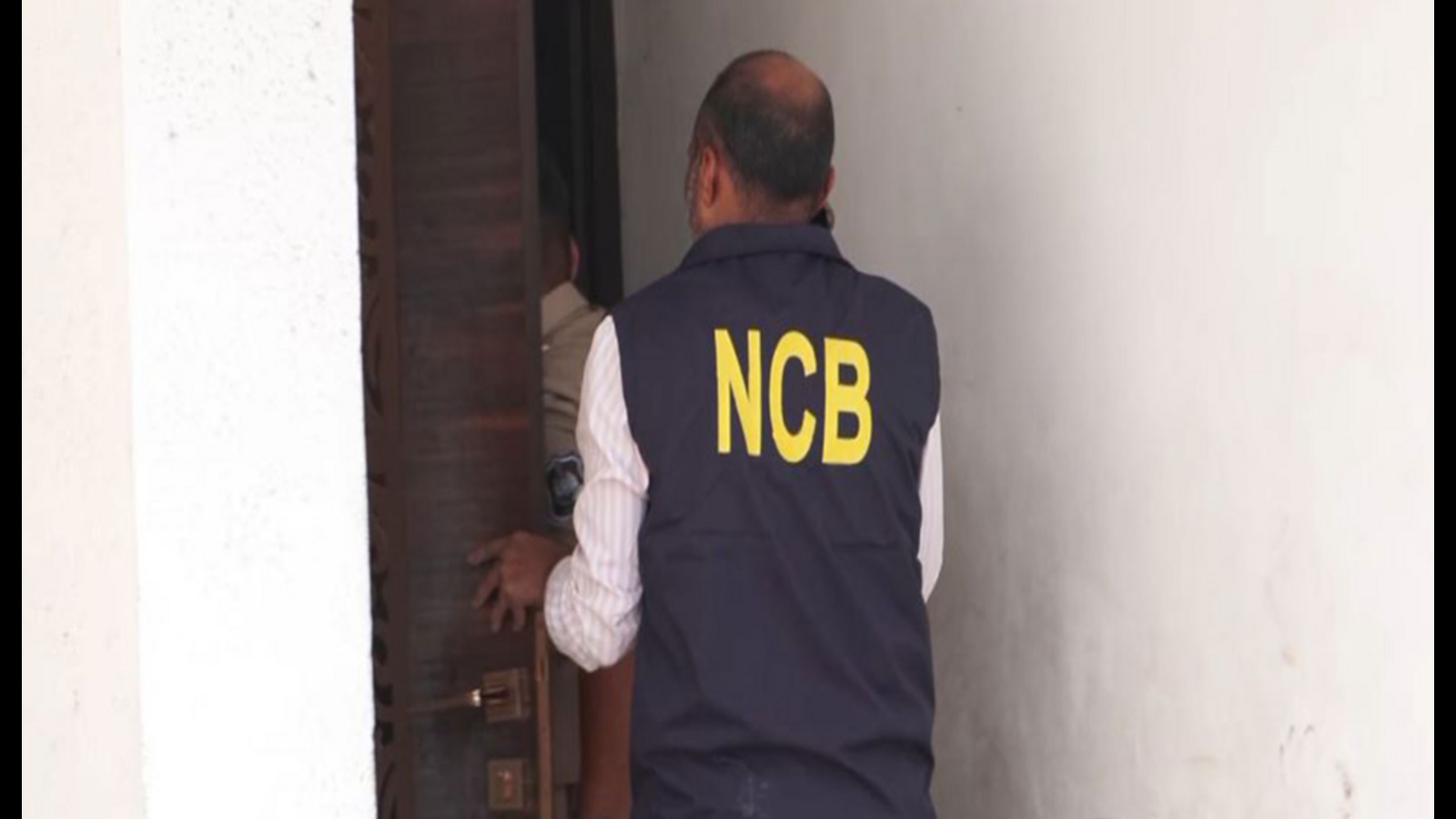
The notification, which controlled the supply and sale of the compound, was meant to check such labs. However, in recent months the NCB has busted laboratories preparing mephedrone with hydrobromic acid instead of the controlled compound. On November 15, the NCB and Gujarat Police busted a mephedrone laboratory in Ahmedabad's Sarkhej. In a statement a day later, the agency said hydrobromic acid was recovered from the laboratory, which was concealed in the basement of a residential building with its entrance hidden behind what appeared to be a wardrobe and a removable section of tiled flooring.
The NCB said 25 chemicals weighing 130.613 kg, including methylamine, bromine and hydrobromic acid, were recovered, along with equipment such as heating mantles, digital magnetic stirrers, temperature-measuring instruments, pipettes, round-bottom flasks, dropping funnels, separating funnels and beakers. Suspected mephedrone in powder and liquid form was also seized. The agency said the case indicated that traffickers were attempting to circumvent the control by adopting an alternative manufacturing method, and called for continuous intelligence development, close monitoring of precursor supply chains and rapid information sharing among enforcement agencies, regulators and industry.
An NCB officer, who asked not to be named, said a person accused of preparing the drug in Rajasthan told them that hydrobromic acid was needed only to start a specific reaction, and that the end product is the same. In the Ahmedabad case, the accused, Mudasar Ahmed Khan, told investigators that he learnt the process through the internet and was attempting to produce good-quality drugs after procuring chemicals and equipment from Mandsaur and Ahmedabad, and online. Investigators also found that Khan ran a café suspected to have been used as a delivery point for mephedrone, and that four criminal cases relating to rioting, criminal intimidation, mischief by fire and attempted murder had previously been registered against him.
The NCB said repeated recoveries of bulk chemicals from clandestine laboratories underline the critical role of chemical and pharmaceutical manufacturers, importers, distributors and traders in preventing diversion, and urged them to implement its Voluntary Code of Conduct for Preventing Diversion of Precursor Chemicals, including effective KYC, verification of the purchaser's business and declared end use, and complete and auditable transaction records. The agency said enhanced due diligence is especially necessary where chemicals are sought in unusual quantities, deliveries are requested at residential or unverifiable premises, the buyer avoids disclosing the end use, or orders involve multiple chemicals capable of being combined for illicit synthesis. It said vigilance must cover notified controlled substances as well as non-scheduled precursor and pre-precursor chemicals. The NCB's 2025 annual report called mephedrone the most common drug and said labs vary in scale and sophistication; 30 such labs were busted across the country in 2025, and two were busted in Greater Noida last month. Last year, NCB chief Anurag Garg wrote to state police forces on the need to identify such laboratories, listing red flags including buildings with covered or blacked-out windows and CCTV around the perimeter, and strong odours of chemicals like ammonia, solvents, vinegar or cat urine.