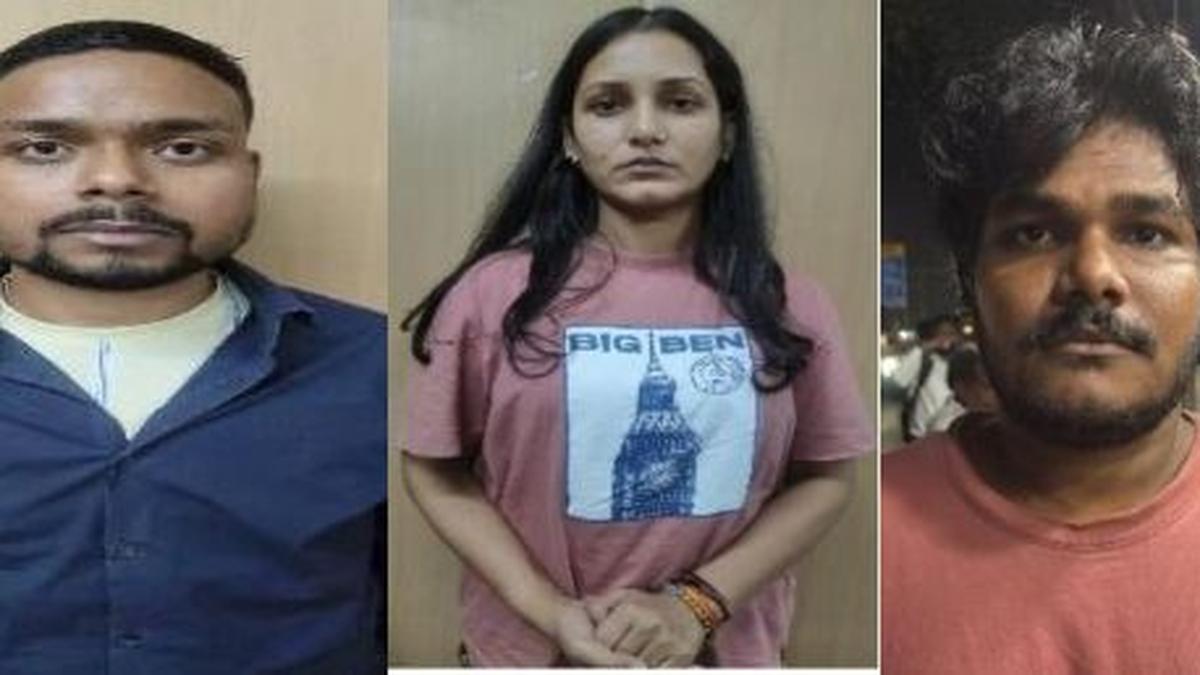
The Narcotics Control Bureau (NCB) and the United States Drug Enforcement Administration (DEA) have busted a transnational network allegedly supplying psychotropic and opioid drugs across the United States, arresting six accused persons in a coordinated operation codenamed Operation Monsoon Thunder. The Indian module supplying drugs and opioid/NRx medicines to consumers in the U.S. was identified during the crackdown.
Based on shared intelligence inputs, the NCB conducted raids at multiple locations, including Hyderabad, Delhi, Kolkata and Lucknow, from November 4 to November 13, during which six persons allegedly linked to the network were held. They have been identified as Tej Deepak Jaiswal, Arti Soni, Deepak Kumar Tiwari and Jaswant from Lucknow; Talabathula Manoj from Allapur, Hyderabad; and Abdul Muttalib from Kolkata.
Records and digital evidence examined by the agency so far indicate that the network handled nearly 3,000 parcels containing close to five lakh tablets between June 2022 and November 2026 across the U.S., according to the NCB. During the investigation, the NCB identified multiple live consignments containing more than 1,500 tablets scheduled for delivery to different destinations, and shared actionable intelligence with the DEA, which has seized two consignments.
Customer databases covering more than 59,000 individuals, containing transaction records, details of past consignments, delivery addresses, USPS tracking IDs and types of drugs, have also been shared with the DEA to help identify customers and drop-shippers operating in the U.S. According to the NCB, the network maintained consignment and consumer details in shared digital records, including Google Sheets, and received orders through platforms such as Telegram, Skype and WhatsApp. Consignments were dispatched through postal and other delivery channels, including the United States Postal Service, by operatives based in the U.S. The DEA is currently developing leads provided by the NCB and has said it will conduct a thorough intelligence analysis and allocate dedicated resources to disrupt the "illicit pharmaceutical" network. It is alleged that the Indian operators received payments through digital payment platforms such as Venmo, bank accounts held in the names of other individuals, and UPI, and that hawala channels were also used to receive commission payments. The agencies are also probing the possible international sourcing of substances from multiple countries.