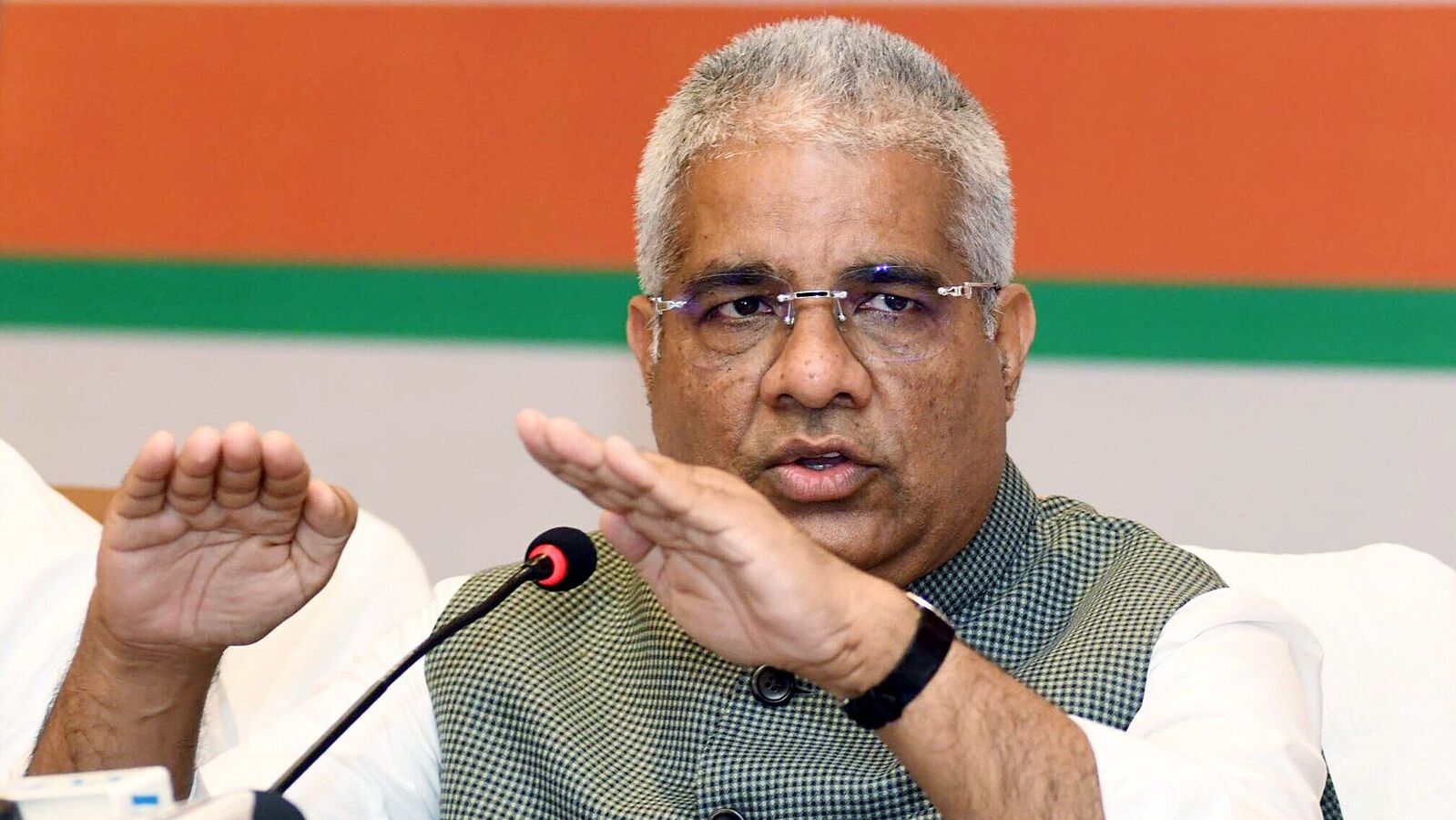
At COP31 in Antalya, Türkiye, India made a strong case for moving beyond discussions on fair energy transitions to actual implementation, stressing that developing countries need finance, technology and training to chart their own paths. Environment Minister Bhupender Yadav made the pitch at the Fourth Annual High-Level Ministerial Roundtable on Just Transition under the UAE Just Transition Work Programme, according to the original report.
Yadav stated that a just transition — a shift to cleaner energy that does not leave workers and the most vulnerable behind — cannot follow a one-size-fits-all approach. India favours a new body to help countries turn what they learn from UN negotiations into action, with member states themselves steering it. Such a body, he said, should not provide sectoral pathways or impose new obligations.
The minister underlined the need for clearly defined and complementary roles for the UAE Just Transition Work Programme and the proposed Just Transition Mechanism. While the Work Programme should continue as a platform for dialogue and exchange of experiences, the Mechanism should facilitate practical support through technical assistance, capacity-building and cooperation, translating lessons from discussions into action.
Yadav added that the mechanism should build on existing initiatives, avoid duplication and improve access to resources needed for implementation. It should not prescribe uniform sectoral pathways or impose new obligations, but enable countries to pursue transition strategies based on national priorities. His remarks come amid broader discussions on how developing countries can balance climate action with economic growth, energy security and poverty reduction.