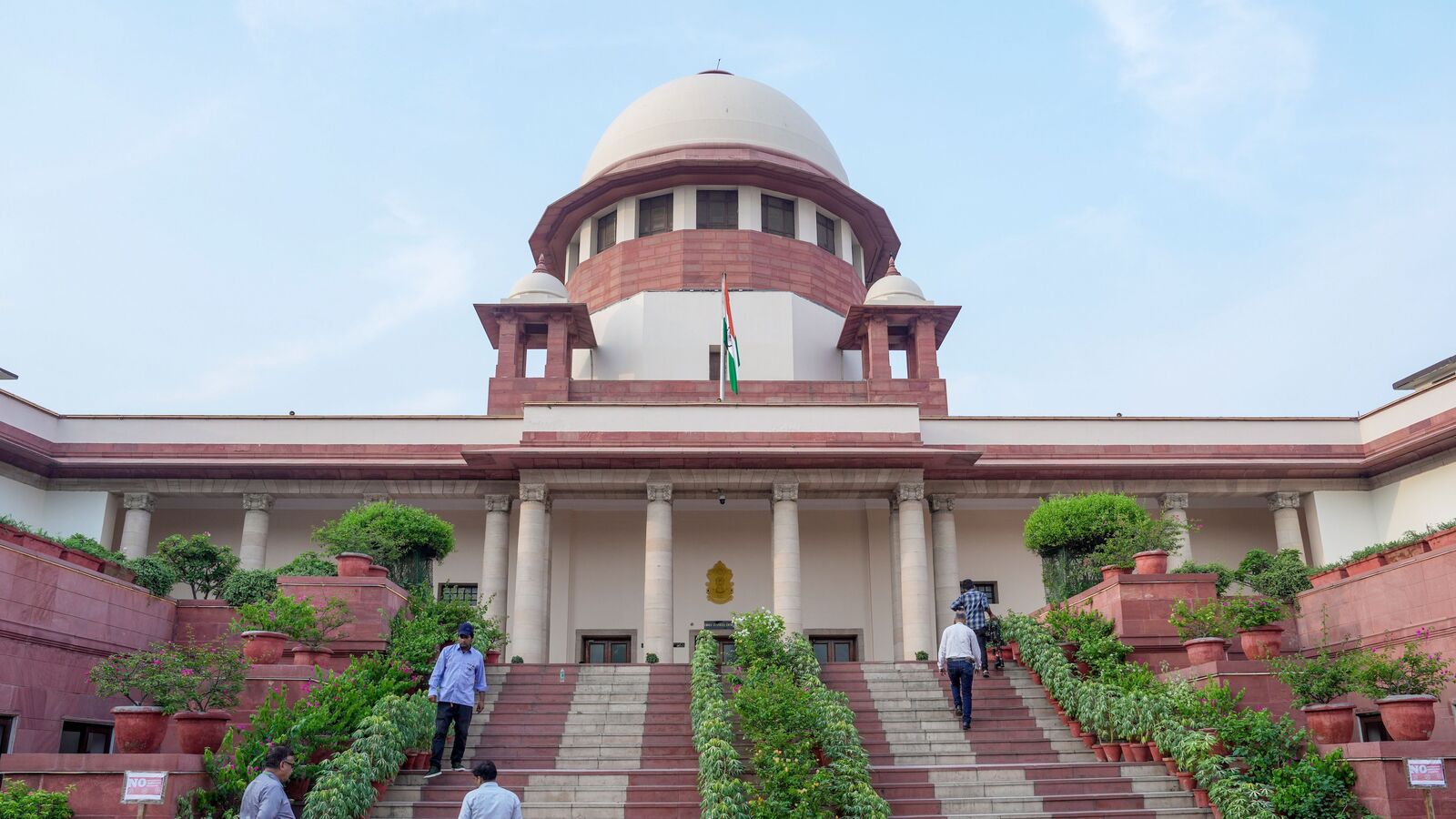
Head Digital Works, which operates A23 Rummy, has told the Supreme Court that illegal offshore operators are thriving because legitimate online gaming businesses remain shut following India's ban on online money gaming. The company made the submission on Thursday while seeking an early hearing of its challenge to the Promotion and Regulation of Online Gaming Act, 2025, according to the original report.
Appearing before a bench led by Chief Justice Surya Kant, counsel Pritha Srikumar Iyer submitted that legitimate businesses were shutting down while illegal offshore operators were booming. The company sought an early hearing on the limited question of whether the law can impose a blanket ban on online money games without distinguishing between games predominantly involving skill and those based on chance. The court agreed to hear the plea and listed the matter for 2 December.
Head Digital Works is among the companies challenging the law, along with Clubboom11 Sports & Entertainment, which operates fantasy sports platform Boom11, and online carrom platform Bagheera Carrom. In September 2025, the Supreme Court transferred and consolidated challenges pending before the Madhya Pradesh, Karnataka and Delhi high courts. Gaming companies have argued that the blanket ban has shut down their core real-money businesses, leading to layoffs, restructuring and write-downs of investments.
On 29 August 2025, Mint reported, citing Head Digital Works' petition before the Karnataka high court, that the company claimed the ban had put ₹23,440 crore of investments at risk and that 606 of its employees faced potential disruption to their employment. The petition also estimated that more than 200,000 jobs across the sector could be affected. A November 2024 report by gaming investment firm Lumikai estimated that online real-money games generated $2.4 billion in revenue in 2023-24, accounting for 63% of the country's gaming revenue. Mint also reported in August 2025, citing estimates, that the Centre could lose around $2 billion annually in goods and services tax collections from the sector; the government has argued that its broader gaming policy would support other segments, including e-sports.