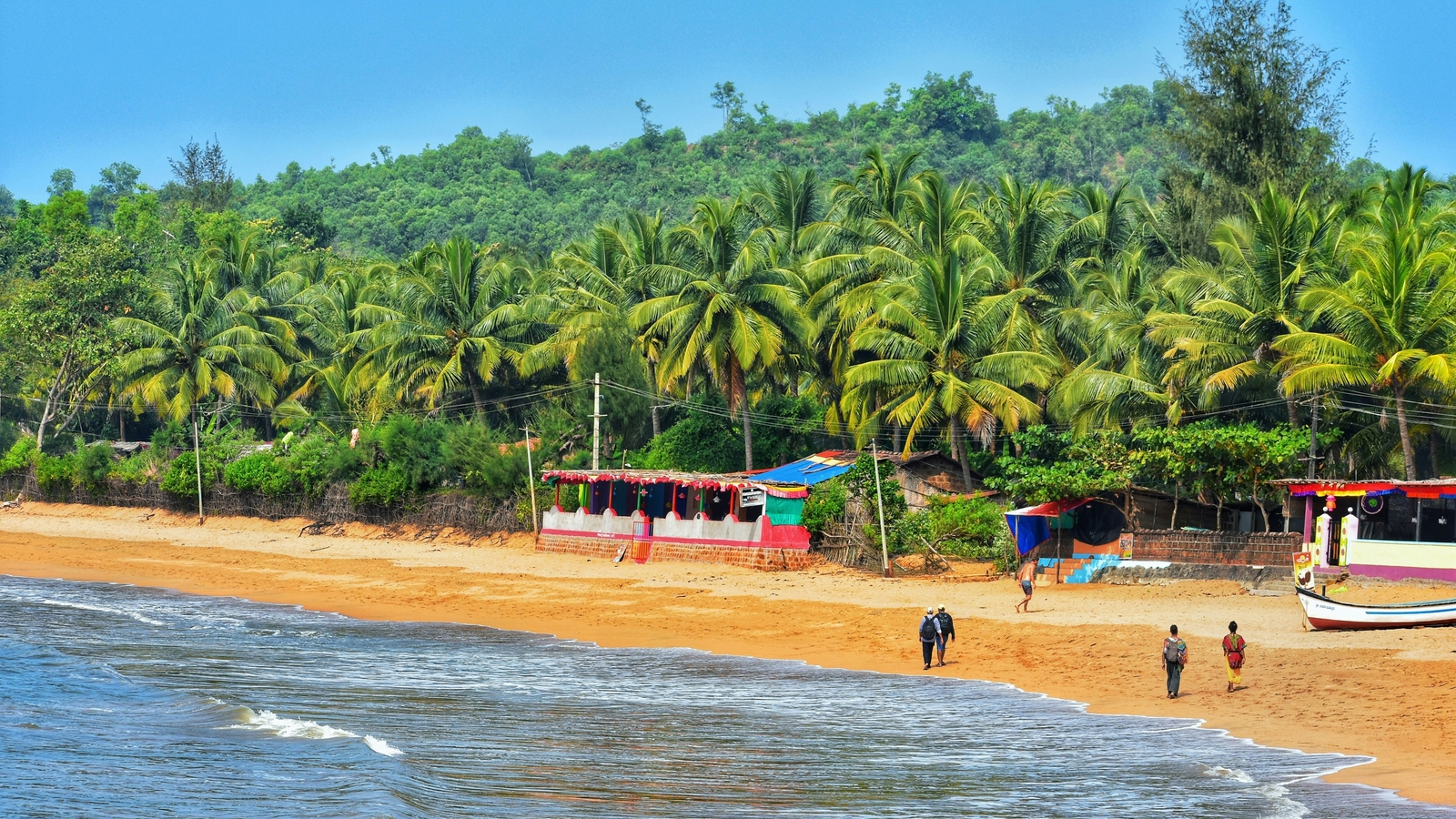
Goa tourism minister Rohan Khaunte has urged the state forest department to reconsider its proposal to notify 21 additional beaches as protected Olive Ridley turtle nesting sites, arguing that tourism and conservation must coexist. Speaking on Wednesday, he said the department needs to relook at certain aspects so that people dependent on the tourism ecosystem, including watersports operators and shack owners, also survive. He suggested that existing nesting sites be used to promote tourism rather than creating more at beaches where livelihoods are already tied to tourism. The forest department did not comment immediately.
The proposal covers beaches in North Goa, including Vagator, Calangute, Candolim, Keri, Miramar, Ashvem, Baga and Arambol, and in South Goa, including Rajbag, Mobor, Cabo de Rama, Patnem, Baina, Palolem, Cola, Carmona, Cavelossim, Varca and Talpona. These would be added to the four existing notified sites of Morjim, Mandrem, Galgibaga and Agonda. Notified sites carry restrictions such as a ban on beach beds in the intertidal zone, no outdoor illumination, muted indoor lighting with opaque shields on the sea-facing side, and no loud music or beach parties after 6 pm. Shacks are also expected to help create conducive conditions for the turtles and share information with forest staff monitoring the coast.
Tourism stakeholders, particularly in Canacona in south Goa where all beaches have been provisionally identified, have criticised the move. At a gathering at Palolem on Tuesday, Prashant Naik of the Goa Forward Party said 50 percent of Canacona's economy runs on tourism and demanded that the government withdraw the proposal within a month, failing which stakeholders would undertake a hunger strike and fast unto death. Former Canacona Municipal Council chairperson Simon Rebello and shack owner Ramakant Naik Gaunkar said permissions would become harder to obtain and tourism, the area's only livelihood source, would suffer. Residents feared Canacona's economy would collapse if the proposal was implemented. The forest department has run sea turtle conservation programmes along the Morjim, Ashvem, Agonda and Galgibaga stretches since 1997.