A former member of the India-Nepal Eminent Persons Group has described its report as "highly positive" for bilateral relations, a day after Foreign Secretary Vikram Misri called the document "not relevant" and said New Delhi would take a forward-looking approach on boundary issues. Mahendra P. Lama, a former Jawaharlal Nehru University professor who served on the EPG, said the report followed extensive research and field visits, including to Visakhapatnam and other ports of interest to Nepal, and contained recommendations useful to both countries.
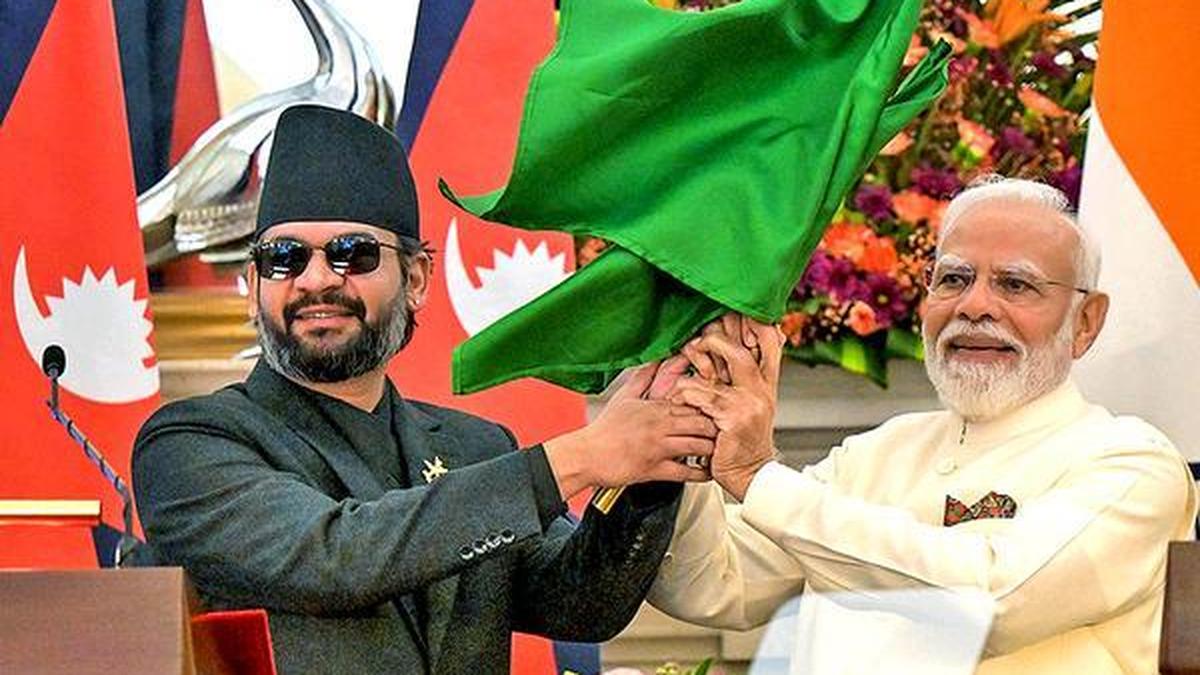
Mr. Misri's remarks came at a press conference on Monday (November 23, 2026) after the visit of Nepali Prime Minister Balendra Shah, when he said the EPG was "in the past" and that India was "not looking backward." The report, which covers a broad spectrum of India-Nepal relations including the Kalapani dispute and the 1950 Friendship Treaty, was completed in 2018 but remained under sealed covers.
Bhek Bahadur Thapa, former Nepali ambassador and coordinator of the EPG on the Nepali side, said the report was not a unilateral document but the product of bilateral consultation among experts appointed by New Delhi and Kathmandu. Prof. Lama said it was "odd" that the group did not get a chance to present the report to the Government of India, and that the recommendations could now be accessed by other stakeholders in Kathmandu, which he did not see as a positive thing.
The EPG was set up following an understanding during delegation-level talks between Prime Minister Narendra Modi and former Nepali Prime Minister K.P. Sharma Oli in February 2016. A part of the Institute of Defence Studies and Analyses in Delhi served as its secretariat, and officials now playing key roles in India-Nepal relations, including the current ambassadors of both countries, were involved in the process during 2016-18.