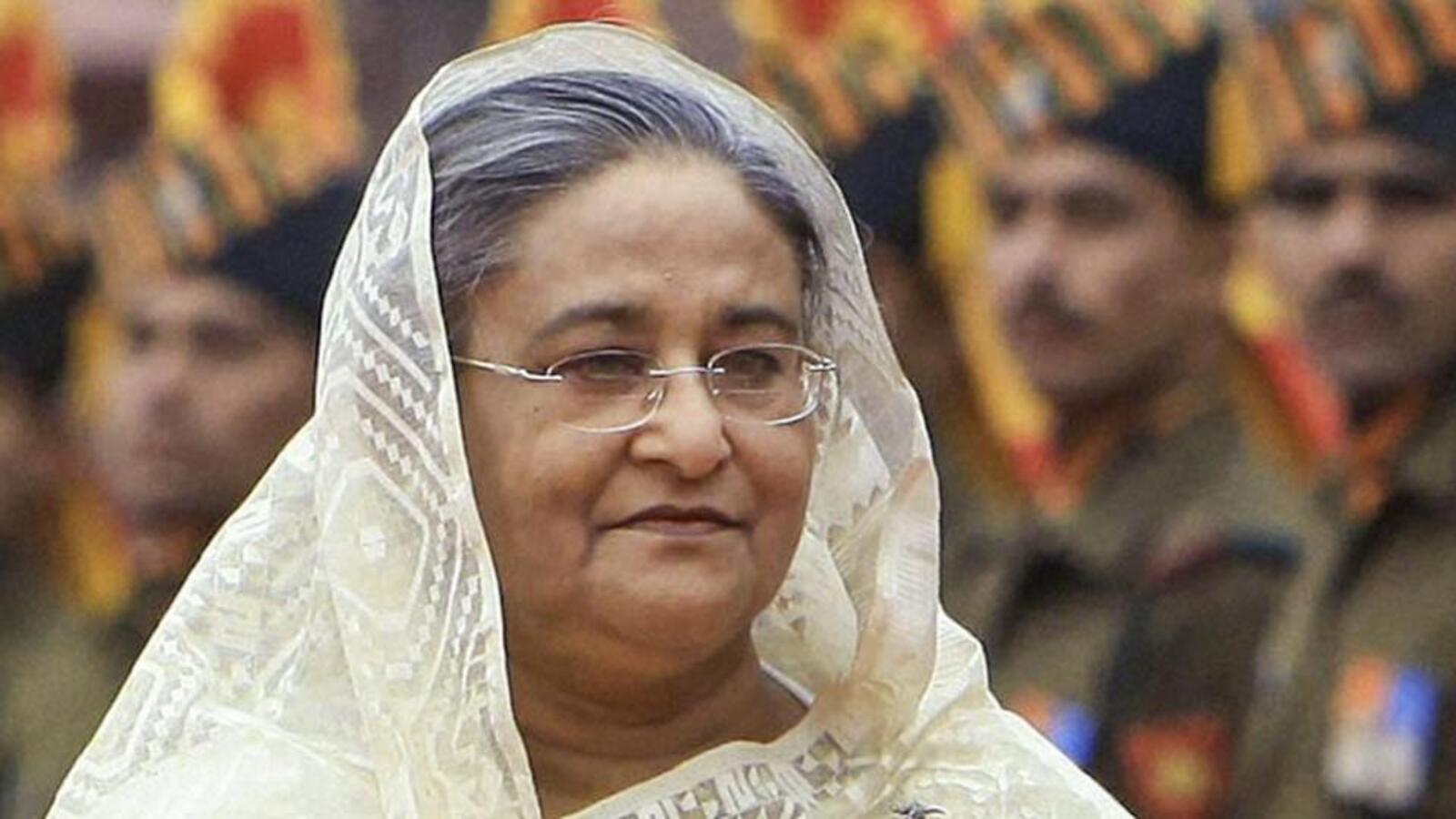
Bangladesh's push for the extradition of former premier Sheikh Hasina is a tactic to delay her homecoming, people familiar with the matter said on Friday, adding that India has placed no hurdle in the way of her voluntary return. The remarks came after the Awami League leader, who has lived in India since her government was ousted in a student-led uprising in August 2024, made a second request for a new passport.
Hasina, 79, has said in recent interviews that she intends to return to Bangladesh in December despite being sentenced to death over her government's crackdown on protesters. The London-based law firm Matrix Chambers, acting for her, emailed the Bangladesh high commission in New Delhi on November 9 seeking a new passport and national identity card for her. Dhaka questioned the communication, saying it had no authorisation from her, and a second letter was sent on Thursday with an authorisation signed by Hasina.
Bangladesh's minister of state for foreign affairs, Humaiun Kobir, said soon after the November 9 request that his government would insist on her extradition as she is a "killer and terrorist" who fled the country after allegedly killing more than 2,000 people, and that Bangladesh does not "give passports to terrorists". The people cited above argued that by denying Hasina the sole travel document needed to return home while demanding her extradition, Dhaka was stalling her return, since extradition presupposes that a person will not go back willingly.
They said India has created no obstacle to her voluntary return, which is blocked only by the lack of a travel document that can be issued solely by Bangladesh as she is a Bangladeshi national. According to reports, her diplomatic passport was revoked on August 22, 2024, and her national identity card was blocked on February 16, 2025. The people said passport and ID issuance is a matter between Bangladesh and its national, while extradition is a separate legal process, and the two should not be conflated.