Dairy farms, gaushalas, dhobi ghats and laundry units in Delhi now face stricter pollution-control requirements, with the Delhi Pollution Control Committee (DPCC) mandating environmental consents and prescribed waste-treatment standards. According to new DPCC notices, units that fail to comply within the stipulated period may face punitive action, including closure-related measures and disconnection of essential services.
In two separate public notices, the DPCC has tightened directions for dairy farms and gaushalas on one hand, and dhobi ghats, laundry units and washing facilities on the other, as part of efforts to prevent untreated waste and wastewater from entering the Yamuna. Dairy farms and gaushalas have been categorised into Orange and Green categories based on their activities and cattle strength, and owners have been directed to obtain Consent to Establish and Consent to Operate under the Water and Air pollution laws, as applicable, applying within 15 days.
The crackdown assumes importance given Delhi's cattle population of 1,23,164, including 22,540 cattle in legal dairies, 60,210 in authorised dairy colonies, 19,638 in government animal shelters and 20,776 in private gaushalas, according to livestock enumeration figures. The Municipal Corporation of Delhi (MCD) estimates another 500 unauthorised dairies are operating in the city. Total cattle waste generation is estimated at approximately 1,500 tonnes per day, but only around 200 tonnes are currently utilised, leaving nearly 1,300 tonnes unprocessed daily. The MCD has signed an MoU with the National Dairy Development Board (NDDB) to set up waste-processing plants for the remaining unprocessed waste.
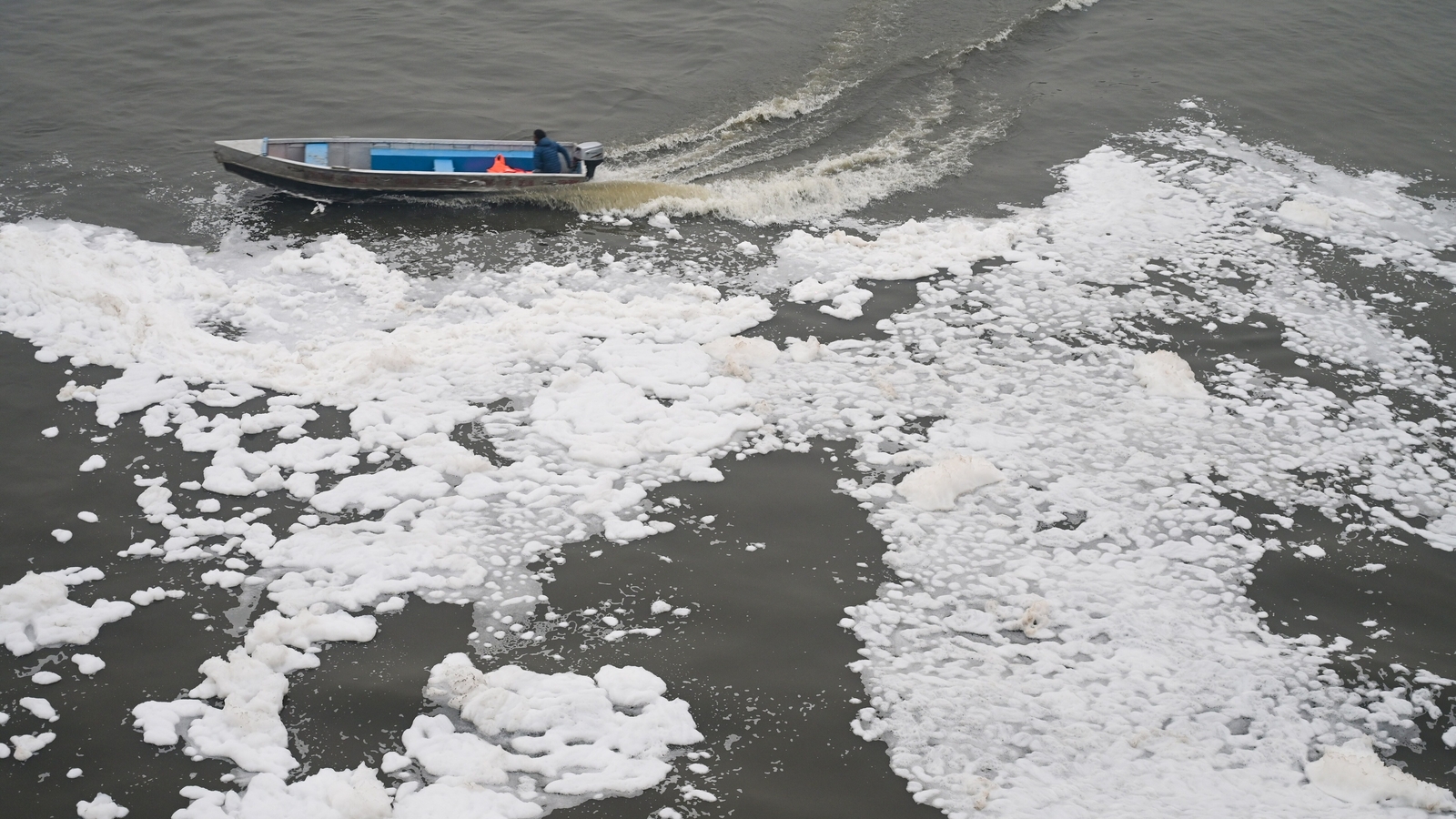
The DPCC has also warned that untreated wastewater discharged into the Yamuna contributes to foam formation and eutrophication. Dhobi ghats, laundry units and washing facilities must obtain the necessary licence, install and maintain effluent treatment plants, ensure no untreated wastewater is discharged into drains, water bodies or land, and use soaps and detergents conforming to BIS specifications. A study by The Energy and Resources Institute (TERI) had also identified dhobi ghats as a source of surfactants, officials said. Violations could invite penal action, including disconnection of electricity and water supply and imposition of environmental compensation, the DPCC warned.