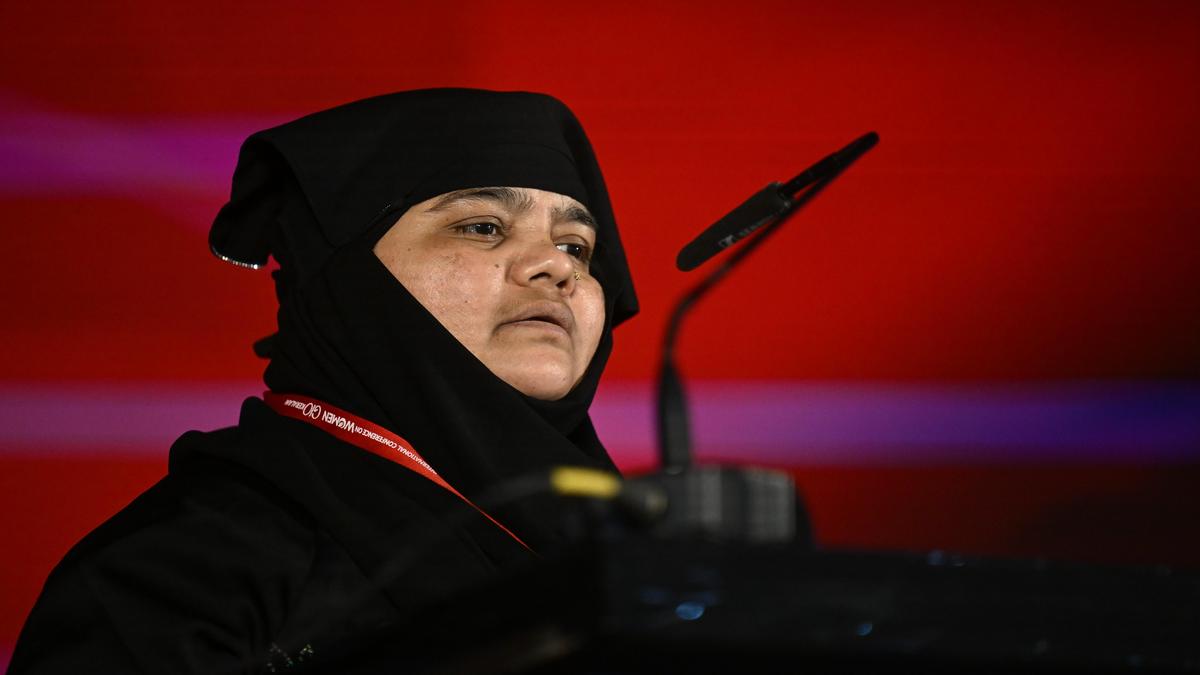
The counsel for two convicts granted bail by the Supreme Court in the 2002 Bilkis Bano gangrape and murder case has rejected her allegation that she was kept in the dark about the proceedings, and warned against attempts to sensationalise a sub-judice matter through a media trial.
Advocate Ayush Anand, counsel for Bipinchand Kanaiyalal Joshi and Pradip Ramanlal Modhiya, issued the statement on November 21. It followed a public statement by Ms. Bano, through her counsel and senior advocate Shobha Gupta, that she was neither informed nor heard before the apex court allowed bail to the two men in an order on October 28. Joshi and Modhiya were two of the 11 men convicted in the 2002 case, in which Ms. Bano, then 19, was gang-raped and 14 members of her family, including her infant daughter, were killed during the riots. The bail order came in an appeal by the two men against a 2017 Bombay High Court judgment upholding their 2008 conviction and life sentences.
According to Mr. Anand's statement, the matter was listed on ten occasions before bail was granted and had taken more than a year, and the allegation of suppression by Ms. Bano's legal team was "entirely misconceived." He said her legal team had been aware of and observing the proceedings on the appeals, and that notice in the case was issued in March 2026 and reported in the media. He added that Ms. Bano had not been a party before the Bombay High Court and was accordingly not impleaded in the Supreme Court appeal, and that she had not filed a caveat seeking to be heard.
The statement referred to the health condition and physical disability of the two men, their age and the 17 years they had spent in prison — circumstances the court noted while granting bail and suspending their sentences. Mr. Anand cited judicial precedents allowing bail on grounds of ill-health and years of incarceration, and said it was unfortunate that from November 16 onwards the matter had been portrayed in a manner suggesting Ms. Bano was unaware of the proceedings. Such allegations, he said, risk creating a misleading impression about the judicial process and the pending criminal appeals, adding that publicity surrounding a pending matter should not come at the cost of factual accuracy, fairness or respect for the judicial process.