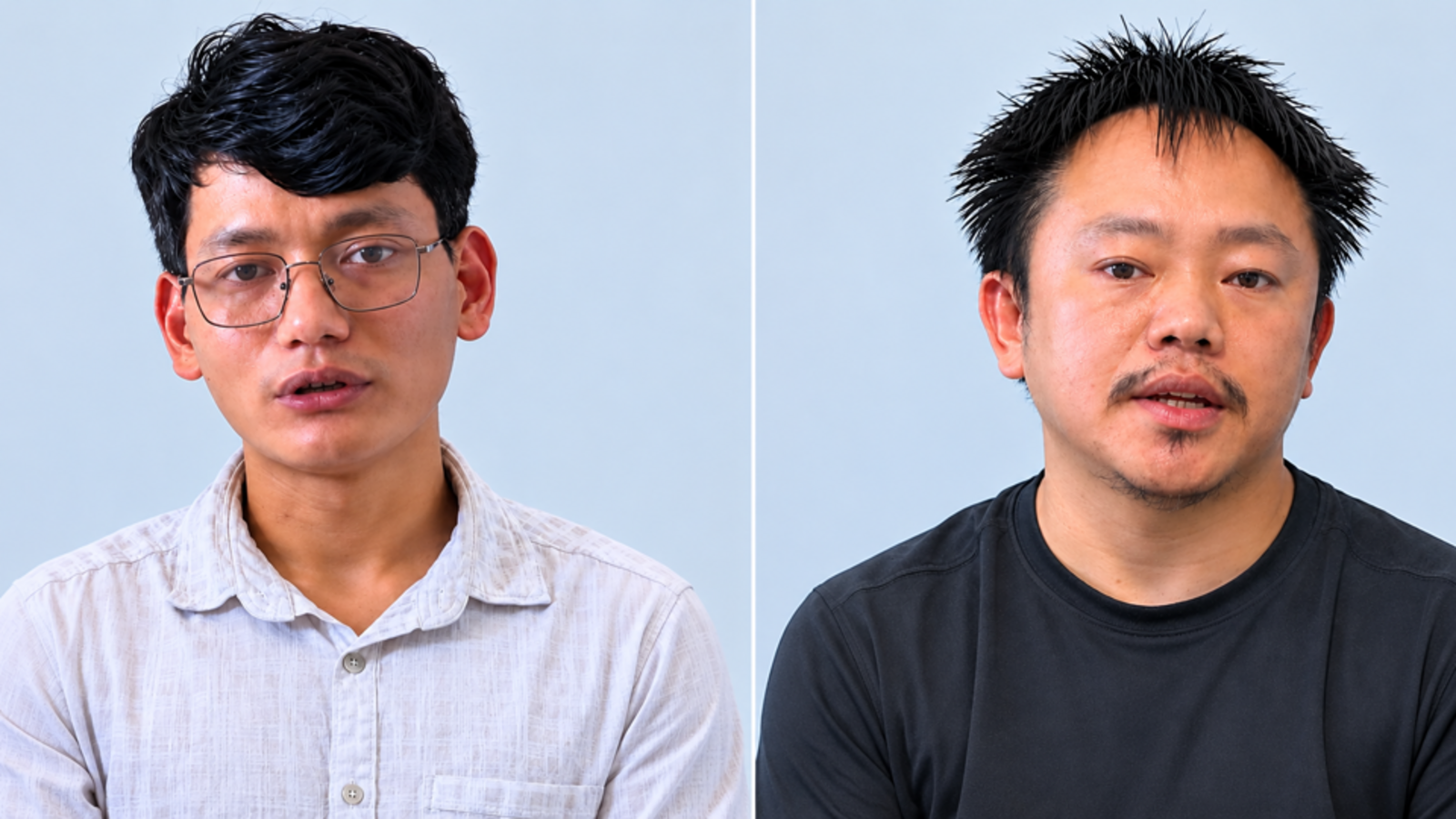
A court in Arunachal Pradesh's East Siang district on Thursday granted bail to prominent anti-dam activist Ebo Mili and youth leader Otul Jerang in connection with the October 23 violence in Pasighat, amid continuing protests against the proposed 11,000-MW Siang Upper Multipurpose Project (SUMP). The two, who have been leading the protests, were arrested on October 24 after surrendering at a police station. East Siang superintendent of police Pankaj Lamba had said 26 people, including five juveniles, were arrested over the violence that erupted during the October 23 anti-SUMP bandh.
The arrests followed a 12-hour shutdown across Siang, Upper Siang and parts of East Siang districts, called by organisations demanding the release of activists detained during earlier demonstrations. Tensions escalated after security personnel reportedly fired tear gas to disperse protesters near Geku. Four women were admitted to a local primary health centre, but police later clarified that all four were discharged after medical observation. The unrest spread to Pasighat, where an NHPC office was set ablaze, a police station was attacked and several vehicles were damaged.
The Adi Bane Kebang United (ABKU) and the Siang Indigenous Farmers' Forum (SIFF) have demanded the release of arrested protesters and the withdrawal of security forces from the Siang belt as preconditions for dialogue with the state government. The exact number of people released on bail could not be ascertained at the time of filing this report.
Meanwhile, opposition to mega hydropower projects has gathered momentum beyond Arunachal Pradesh, with anti-dam organisations from the state and neighbouring Assam joining hands for a coordinated mass movement. Anti-Mega Dam People's Forum spokesperson Rana Kumar Changmai announced plans to constitute mass struggle committees across Assam and convene a convention across the Northeast, speaking at a press conference in Dibrugarh on Wednesday. The forum also plans to approach opposition leaders in New Delhi to raise the issue in Parliament and mobilise international opposition to China's proposed mega dam on the Yarlung Tsangpo river. The SUMP has faced sustained resistance from sections of the indigenous Adi community over fears of large-scale displacement, submergence of ancestral land and environmental degradation.